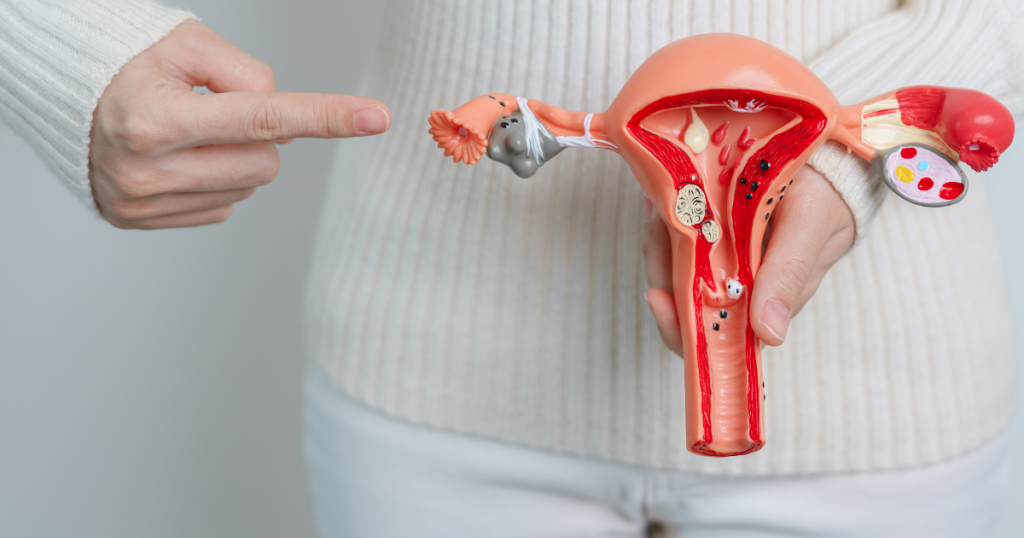


Male hormone replacement therapy clinics diagnose and treat low testosterone, and the single thing that separates a strong clinic from a weak one is whether it confirms the diagnosis with two separate early-morning blood tests before prescribing anything. Symptoms alone are not diagnostic. Fatigue, low libido and mental fog have many possible causes in men, and a clinic that treats the symptom list without confirming the lab picture is skipping the step that determines whether testosterone will help at all.
Below we cover what these clinics actually do, how low testosterone is properly diagnosed, what causes it besides aging, the treatment forms available, how long therapy takes to work, what the current safety evidence says after the 2025 FDA label change, how often your blood should be rechecked, and how to tell a thorough clinic from a fast one before you hand over your health.
Male hormone replacement therapy clinics do three things: they diagnose low testosterone through blood testing, they prescribe and deliver testosterone therapy when it is indicated, and they monitor your levels and safety markers over time. Every legitimate clinic performs all three. The weak ones compress the first and skip most of the third.
Diagnosis is the step that carries the most weight. A clinic has to establish that your testosterone is genuinely low and that your symptoms trace back to it rather than to something else producing the same complaints. Delivery comes second, and the options include injections, gels, patches, pellets, oral capsules and medications that stimulate your own production instead of replacing it.
Monitoring is where clinics diverge most. Testosterone therapy changes red blood cell production, blood pressure and fertility, so the follow-up schedule is part of the treatment rather than an optional add-on.
Low testosterone is a confirmed deficiency of the hormone testosterone combined with symptoms that match it, known clinically as hypogonadism. Both halves are required. A low number without symptoms, or symptoms without a low number, does not meet the definition.
Testosterone peaks in early adulthood and then declines slowly. Clinicians at Henry Ford Health describe the typical drop as 1 to 2 percent each year starting in a man's 40s, which is a normal part of aging rather than a disease on its own. Published urology literature puts the prevalence of true male hypogonadism at roughly 6 percent, and clinical prevalence data shows it climbing with age, from about 2 percent of men under 40 to 5 percent of men aged 40 to 50 and roughly 30 percent of men over 70.
The symptoms of low testosterone in men are low libido, erectile difficulty, fatigue, loss of muscle mass and strength, increased abdominal body fat, poor concentration, declining bone density, and mood changes such as irritability or low mood. These symptoms arrive as a cluster rather than one at a time, which is part of how the pattern gets recognized.
Energy and drive are usually what bring a man in. The loss of motivation and competitive edge tends to register before the physical changes do, and men often describe it as feeling flat rather than feeling sick. Chronic fatigue that does not respond to rest belongs in the same conversation, because persistent tiredness has a long list of possible drivers and hormones are only one of them.
Body composition shifts next. Testosterone supports lean muscle and influences where the body stores fat, so a man can keep the same training and eating habits and still watch his waist expand while his strength declines. Bone density falls quietly over the same period, which is why the American Academy of Family Physicians points to unexplained bone loss as a reason to check testosterone.
Here is the problem with the symptom list, and the reason the next section matters more than this one. Every symptom above appears in several other conditions. The Endocrine Society states directly that symptoms alone are not diagnostic, because low energy, libido and mood are common in aging men and have many causes. Thyroid disease, sleep apnea, depression, anemia, poor sleep and insulin resistance all produce overlapping complaints, and each gets missed when a clinic treats the list instead of investigating a hormonal imbalance properly.
Male hormone clinics test for low testosterone with a fasting blood draw taken early in the morning, and the diagnosis requires at least two separate morning measurements rather than one. Both the Endocrine Society and the American Urological Association specify repeat testing before any diagnosis is made.
Repeat testing exists because testosterone moves. Levels follow a daily rhythm, peaking in the morning and falling through the afternoon, and they also vary from day to day in the same man. An afternoon draw can read low in a man whose morning level sits comfortably in range, and a single low morning reading can reflect a poor night of sleep, a recent illness or normal day-to-day variation rather than a real deficiency.
The threshold itself is not one number. The American Urological Association uses a total testosterone below 300 ng/dL as a reasonable cut-off supporting the diagnosis. The Endocrine Society applies a slightly lower threshold of 264 ng/dL. Men whose results land between those figures, or near either one, need free testosterone measured as well, because a normal total can hide a low free fraction when binding proteins are high.
Timing is worth asking about when you compare clinics. A clinic advertising same-day lab results and same-day treatment is, by definition, not performing a two-morning confirmation. Fast is not the same as accurate, and this is the one place where comprehensive testing changes the outcome rather than the paperwork.
The blood tests that should be done for low testosterone are total testosterone, free testosterone, luteinizing hormone (LH), follicle-stimulating hormone (FSH), sex hormone binding globulin (SHBG), estradiol, hematocrit, prostate-specific antigen (PSA), a full thyroid panel, fasting glucose and insulin, and vitamin D.
LH and FSH carry more weight than most men realize. These two pituitary hormones signal the testes to produce testosterone, and their levels separate primary hypogonadism, where the testes themselves are underperforming, from secondary hypogonadism, where the signal from the brain is the problem. The treatment paths diverge sharply depending on which one a man has.
Estradiol belongs on the panel because men convert a portion of testosterone into estrogen, and an elevated level produces breast tissue changes, erectile difficulty and mood swings on its own. Hematocrit and PSA establish the baseline safety picture before anything is prescribed, and the thyroid, glucose and vitamin D markers catch the conditions that mimic low testosterone most often.
Doctors are cautious about prescribing testosterone because the diagnosis is frequently inaccurate and the therapy is difficult to reverse once a man's own production shuts down. Caution here is a sign of rigor rather than obstruction.
The Endocrine Society notes that testing is often inaccurate and that this drives both over-diagnosis and under-diagnosis. It also states there is insufficient evidence to support population-level screening of men with no symptoms. A physician who declines to prescribe after one borderline afternoon lab is following the guideline, not ignoring you.
The other reason is that supplemental testosterone suppresses the body's own production. A man who starts therapy for a cause that was reversible may find himself dependent on a prescription he never actually needed, which is a strong argument for investigating the cause before replacing the hormone.
Low testosterone besides age is caused by excess body fat and insulin resistance, obstructive sleep apnea, thyroid dysfunction, chronic stress and elevated cortisol, certain medications, heavy alcohol use, nutrient deficiencies, and exposure to hormone-disrupting chemicals. Several of these are reversible, which means testosterone can recover once the underlying driver is corrected.
Body fat is the biggest single lever. Fat tissue contains the enzyme aromatase, which converts testosterone into estrogen, so a higher body fat percentage actively lowers testosterone and raises estrogen at the same time. Insulin resistance compounds it, and the relationship runs in both directions. The American Academy of Family Physicians reports that about one-third of men with type 2 diabetes may also have low testosterone, which makes blood sugar a hormone issue rather than only a metabolic one.
Sleep is the lever men dismiss most readily. The majority of daily testosterone release happens during deep sleep, so fragmented or shortened sleep suppresses production directly. Untreated obstructive sleep apnea does this night after night, and it is common enough in middle-aged men with abdominal weight gain that it deserves screening before any prescription is written. Men dealing with ongoing sleep disorders often see testosterone improve once the sleep problem is treated on its own.
Thyroid dysfunction produces almost the same complaint list as low testosterone, and the two conditions frequently travel together. Fatigue, weight gain, low mood and reduced libido all appear in an underactive thyroid, so checking thyroid function is a basic step rather than an advanced one.
Chronic stress works through cortisol, which competes with sex hormone production for the same upstream resources and suppresses the pituitary signals that drive testosterone output. Medications add another layer, with opioids, long-term corticosteroids and some antidepressants known to lower testosterone. Heavy alcohol use affects both the testes and the liver's handling of hormones, and deficiencies in vitamin D, zinc and magnesium limit the raw material the body needs.
None of this makes testosterone therapy wrong. It makes the order of operations matter. A man whose testosterone is low because of untreated sleep apnea and 40 extra pounds has a different path ahead of him than a man with primary testicular failure, even when their lab numbers look identical.
The types of male hormone replacement therapy are intramuscular and subcutaneous injections, transdermal gels, skin patches, implanted pellets, oral capsules, and medications that stimulate the body's own testosterone production rather than replacing it. Each form differs in how steady your levels stay between doses, which is the practical difference most men feel.
The table below compares the available delivery routes on the factors that actually drive the decision. The dosing intervals reflect standard practice described by men's health clinicians and urology guidelines, and the monitoring notes follow Endocrine Society recommendations.
Delivery methodDosing frequencyHow levels behave between dosesSuits men whoMain thing to watchIntramuscular injectionEvery 1 to 2 weeksPeaks after dosing, falls before the nextWant low cost and are comfortable with needlesMood and energy swings late in the cycleSubcutaneous injectionWeekly or twice weeklySteadier than intramuscular dosingWant stable levels and self-administrationRequires consistent techniqueTransdermal gelDailySteady, with a mild daily rhythmPrefer no needles and want easy dose changesTransfer to partners or children by skin contactSkin patchDailySteady release across 24 hoursWant hands-off daily dosingSkin irritation at the application siteImplanted pelletsEvery 3 to 6 monthsSteady for months, tapering near the endDo not want to think about dosingDose cannot be adjusted once implantedOral capsuleDaily, usually twiceRises and falls across each dayWant convenience without injections or gelsBlood pressure monitoringProduction stimulatorsDaily or several times weeklyWorks through your own testesWant to preserve fertility and natural outputDepends on testes that still respond
That final row matters more than its placement suggests. Medications such as clomiphene and enclomiphene raise testosterone by prompting the pituitary to signal harder, so the body keeps producing its own hormone. For younger men and men who want children, that distinction changes the entire decision.
Injections are better for men who need dose flexibility, and pellets are better for men who want stable levels without ongoing dosing. The trade-off is adjustability against convenience.
Injections can be changed at any time. If a man's hematocrit climbs or his levels overshoot, the dose drops at the next administration. Pellets release steadily for 3 to 6 months and cannot be removed or reduced once they are placed, so an overshoot has to be waited out.
Stability runs the other way. Standard intramuscular injections create a peak after dosing and a trough before the next one, and men sensitive to that swing report their mood and energy tracking it. More frequent subcutaneous dosing flattens the curve considerably, which puts injection therapy much closer to the steadiness pellets offer. The practical differences across all these types of HRT are worth a real conversation rather than a default recommendation.
Testosterone therapy takes 3 to 6 weeks for most men to notice improvement, and maximum benefit typically arrives after 3 to 6 months of continued treatment. Different symptoms respond on different timelines, which is why a four-week assessment tells you very little.
Energy, mood and libido move first. These respond within the initial weeks, and they are the changes men report at their first follow-up. Sleep quality often improves alongside them.
Body composition takes considerably longer. Lean muscle gain and fat loss build over months rather than weeks, and they depend heavily on whether a man is training and eating in a way that gives the hormone something to work with. Bone density is slower still and is measured by scan rather than by feel.
Deciding when to start is its own question, and for men it rests on confirmed labs plus symptoms rather than age alone.
Testosterone replacement therapy is safe for most men who genuinely have low testosterone and are monitored properly, and the cardiovascular evidence improved substantially in 2023 and 2025. The risk picture most men carry in their heads is roughly a decade out of date.
The evidence that changed it is the TRAVERSE trial, published in the New England Journal of Medicine in 2023. It enrolled 5,246 men aged 45 to 80 who had total testosterone below 300 ng/dL along with established cardiovascular disease or a high risk of it, and followed them for a mean of 33 months. The primary cardiovascular endpoint occurred in 7 percent of men on testosterone and 7.3 percent of men on placebo, meeting the trial's noninferiority standard. The trial also found no increased risk of prostate cancer among treated men.
Regulators acted on it. On February 28, 2025 the Food and Drug Administration issued class-wide labeling changes for testosterone products, removing the language about increased cardiovascular risk from the boxed warning, adding the TRAVERSE results to all testosterone labels, and retaining the Limitation of Use language for age-related hypogonadism. That last point is worth reading carefully: the FDA removed the cardiovascular warning while keeping the caution that these products are intended for men with a medical cause of low testosterone, not for men whose levels have simply declined with age.
Real risks remain and deserve accurate description. TRAVERSE recorded higher rates of pulmonary embolism and atrial fibrillation in the testosterone group. Postmarket blood pressure studies led the FDA to require warnings about increased blood pressure, because every testosterone product raised it to some degree. Testosterone also stimulates red blood cell production, and the Endocrine Society flags a hematocrit above 50 percent as the level of concern, with the risk of excessive red cell production rising with age.
Screening before treatment is how those risks are managed. The Endocrine Society recommends against starting therapy in men with breast or prostate cancer, a palpable prostate nodule, a PSA above 4 ng/mL, an already elevated hematocrit, untreated severe obstructive sleep apnea, uncontrolled heart failure, or a heart attack or stroke within the previous six months. A clinic that does not ask about these before prescribing is not screening you.
TRT affects fertility by reducing sperm production, sometimes severely, because supplemental testosterone suppresses the pituitary signals that drive both testosterone and sperm output in the testes. This is the side effect men are least often warned about.
The Endocrine Society recommends against starting testosterone therapy in men who are planning fertility in the near term. The suppression can take months to reverse after stopping, and in some men it does not fully return.
Men who want children have other routes. Production stimulators such as clomiphene and enclomiphene raise testosterone by increasing the body's own output rather than replacing it, which preserves the signaling that sperm production depends on. Any man under 45 considering therapy should have this conversation before his first dose rather than after.
You should get blood work on TRT at baseline, at three months, and then at least annually. The Endocrine Society specifies hematocrit measurement at baseline, at three months, and annually thereafter, alongside symptom review and prostate risk evaluation during the first year of treatment.
A standard monitoring sequence looks like this:
Blood pressure deserves its own mention on that list. Since every testosterone product has been shown to raise it, a clinic that checks your pressure only at the first visit is monitoring the wrong thing on the wrong schedule.
A man can stay on TRT indefinitely as long as he has a confirmed deficiency, continues to benefit, and is monitored on schedule. There is no fixed stopping age or maximum duration.
What changes over time is the review rather than the therapy. Each annual assessment asks whether levels remain in range, whether hematocrit and blood pressure are stable, and whether the symptoms that justified treatment are still controlled.
Stopping is a real option and it needs planning. Because supplemental testosterone suppresses natural production, levels can fall below where they started when a man stops abruptly, and recovery of his own output takes months.
To choose a male hormone replacement therapy clinic, judge it on its diagnostic process rather than its marketing, and the clearest single test is whether the clinic requires two separate morning blood draws before it will prescribe. That one requirement sorts thorough clinics from fast ones more reliably than any other signal.
The criteria worth checking before you commit:
That last pair matters because the business model shapes the medicine. A clinic whose revenue depends on prescriptions has a structural reason to find everyone eligible, and the honest ones manage that tension openly. At our Bingham Farms office we would rather spend the first visit working out why a man's levels dropped than confirming that they did, which is the same logic we apply to any hormone imbalance we investigate.
You can raise testosterone naturally when the cause is reversible, and the approaches with the strongest effect are losing excess body fat, treating sleep problems, resistance training, controlling blood sugar and reducing alcohol. Natural approaches will not correct primary testicular failure, but they frequently correct the suppression that sent a man looking for a clinic in the first place.
The levers worth pulling, roughly in order of impact:
This is where naturopathic medicine earns its keep, because these variables are behavioral and they compound over months rather than producing a result in a week.
One factor gets overlooked almost universally. Many plastics, pesticides, personal care products and household items contain compounds that interfere with hormone signaling, and lowering that toxic burden removes interference from a system that is already struggling to produce enough.
An older man can increase his testosterone through resistance training, fat loss, better sleep, blood sugar control and correcting nutrient deficiencies, with the same levers that work at 40 still working at 70. Response size shrinks with age but does not disappear.
Strength training is the priority for older men specifically, because it addresses muscle mass and bone density directly rather than only through the hormone. Protein intake becomes more important with age as well, since older adults extract less from the same amount.
Realistic expectations help. Natural approaches can move a man from the low end of normal toward the middle. They will not produce the jump that replacement therapy produces, and a man with a confirmed deficiency from a medical cause needs the medical conversation rather than a longer list of habits.
A root-cause male hormone evaluation includes the full hormone panel, the metabolic and thyroid markers that influence it, nutrient status, inflammation markers, and a detailed history covering sleep, stress, medications, alcohol and environmental exposures. The point is to explain why testosterone fell rather than only to confirm that it did.
Hormones function as a connected system. Testosterone sits downstream of pituitary signaling, which is affected by cortisol, which is affected by sleep and stress. Thyroid output influences metabolic rate and energy independently. Insulin affects the proteins that bind sex hormones in the blood. A man whose total testosterone reads adequate but whose thyroid conversion is impaired will still feel exhausted, and replacing testosterone will not fix it.
Breadth of testing is what makes that picture visible. Our advanced testing runs over 500 lab markers, considerably more than a conventional panel, paired with a 60-minute consultation to connect what the markers show to what a man is actually experiencing. Dr. Cutler's approach looks at inflammation, detoxification pathways, gut health, nutrient levels, hormones, genetics and environmental exposures together rather than one at a time.
From there the work is ongoing rather than finished. Levels shift as weight, sleep, stress and age change, so the goal is to rebalance hormones across years with periodic reassessment, not to set a number once and assume it holds.
TRT is safe for older men with a confirmed deficiency who are screened and monitored appropriately. The TRAVERSE trial enrolled men up to age 80 with existing cardiovascular disease or high risk and found no increase in major cardiovascular events over a mean follow-up of 33 months. Older men do need closer attention to hematocrit, since the risk of excessive red blood cell production rises with age, and to blood pressure.
Testosterone supports muscle mass, bone density, libido, mood, energy and cognitive sharpness in a 70 year old man, the same functions it serves at younger ages. Roughly 30 percent of men over 70 have low testosterone according to clinical prevalence data. The FDA retained its Limitation of Use language for age-related low testosterone, which means therapy at this age is a considered decision based on a confirmed medical cause rather than an automatic one.
TRT is considerably safer than anabolic steroid use because the dose aims to restore a normal physiological range rather than exceed it, and because it is prescribed, screened and monitored. Anabolic steroid regimens often use many times the replacement dose and skip the hematocrit, blood pressure and prostate monitoring entirely. The hormone can be the same molecule; the dose and the oversight are what differ.
You feel good on TRT because testosterone acts on receptors throughout the brain, muscle and metabolic tissue, improving energy, mood, motivation and libido within the first 3 to 6 weeks. Correcting a genuine deficiency produces a real and measurable change. Men whose testosterone was not actually low tend to report a strong early response that fades, which is one reason confirming the diagnosis beforehand matters so much.
Testosterone therapy can accelerate hair loss in men who are already genetically prone to male pattern baldness, because some testosterone converts into dihydrotestosterone, which shrinks hair follicles in susceptible men. It does not cause hair loss in men without that genetic tendency. Men concerned about it should raise it before starting, since the rate of conversion varies by delivery route and by individual.
You can stop TRT once you start, though your own production needs months to recover because supplemental testosterone suppresses the pituitary signals that drive it. Levels often dip below the original baseline during that recovery window, which brings symptoms back temporarily. Tapering under supervision, rather than stopping abruptly, makes the transition considerably easier.
Male hormone replacement therapy clinics are not interchangeable, and the difference between them shows up in the first visit rather than the first prescription. A clinic that confirms low testosterone with two separate morning blood draws, runs a full panel instead of a single number, screens for the reversible causes that mimic a deficiency, and hands you a written monitoring schedule is doing the work. A clinic that reads your symptom list, draws blood once in the afternoon and starts you the same day is selling a prescription.
The evidence has moved in men's favor over the last few years. TRAVERSE and the FDA's 2025 label change removed a cardiovascular warning that kept many men away from a therapy they genuinely needed. What has not changed is that testosterone helps men who actually have a deficiency, and that finding out whether you do is a testing question before it is a treatment question. If you are weighing your options, we are glad to look at the whole picture with you at Cutler Integrative Medicine in Bingham Farms, where we work with men across Oakland County and the greater Detroit area. You are also welcome to call us at (248) 663-0165.
Male Hormone Replacement Therapy Clinics
SEO Title: Male Hormone Replacement Therapy Clinics
Meta Description: Male hormone replacement therapy clinics diagnose and treat low testosterone. A good one confirms the diagnosis with two separate morning blood tests before prescribing anything.
Blog Category: Hormonal Imbalance
Male hormone replacement therapy clinics diagnose and treat low testosterone, and the single thing that separates a strong clinic from a weak one is whether it confirms the diagnosis with two separate early-morning blood tests before prescribing anything. Symptoms alone are not diagnostic. Fatigue, low libido and mental fog have many possible causes in men, and a clinic that treats the symptom list without confirming the lab picture is skipping the step that determines whether testosterone will help at all.
Below we cover what these clinics actually do, how low testosterone is properly diagnosed, what causes it besides aging, the treatment forms available, how long therapy takes to work, what the current safety evidence says after the 2025 FDA label change, how often your blood should be rechecked, and how to tell a thorough clinic from a fast one before you hand over your health.
Male hormone replacement therapy clinics do three things: they diagnose low testosterone through blood testing, they prescribe and deliver testosterone therapy when it is indicated, and they monitor your levels and safety markers over time. Every legitimate clinic performs all three. The weak ones compress the first and skip most of the third.
Diagnosis is the step that carries the most weight. A clinic has to establish that your testosterone is genuinely low and that your symptoms trace back to it rather than to something else producing the same complaints. Delivery comes second, and the options include injections, gels, patches, pellets, oral capsules and medications that stimulate your own production instead of replacing it.
Monitoring is where clinics diverge most. Testosterone therapy changes red blood cell production, blood pressure and fertility, so the follow-up schedule is part of the treatment rather than an optional add-on.
Low testosterone is a confirmed deficiency of the hormone testosterone combined with symptoms that match it, known clinically as hypogonadism. Both halves are required. A low number without symptoms, or symptoms without a low number, does not meet the definition.
Testosterone peaks in early adulthood and then declines slowly. Clinicians at Henry Ford Health describe the typical drop as 1 to 2 percent each year starting in a man's 40s, which is a normal part of aging rather than a disease on its own. Published urology literature puts the prevalence of true male hypogonadism at roughly 6 percent, and clinical prevalence data shows it climbing with age, from about 2 percent of men under 40 to 5 percent of men aged 40 to 50 and roughly 30 percent of men over 70.
The symptoms of low testosterone in men are low libido, erectile difficulty, fatigue, loss of muscle mass and strength, increased abdominal body fat, poor concentration, declining bone density, and mood changes such as irritability or low mood. These symptoms arrive as a cluster rather than one at a time, which is part of how the pattern gets recognized.
Energy and drive are usually what bring a man in. The loss of motivation and competitive edge tends to register before the physical changes do, and men often describe it as feeling flat rather than feeling sick. Chronic fatigue that does not respond to rest belongs in the same conversation, because persistent tiredness has a long list of possible drivers and hormones are only one of them.
Body composition shifts next. Testosterone supports lean muscle and influences where the body stores fat, so a man can keep the same training and eating habits and still watch his waist expand while his strength declines. Bone density falls quietly over the same period, which is why the American Academy of Family Physicians points to unexplained bone loss as a reason to check testosterone.
Here is the problem with the symptom list, and the reason the next section matters more than this one. Every symptom above appears in several other conditions. The Endocrine Society states directly that symptoms alone are not diagnostic, because low energy, libido and mood are common in aging men and have many causes. Thyroid disease, sleep apnea, depression, anemia, poor sleep and insulin resistance all produce overlapping complaints, and each gets missed when a clinic treats the list instead of investigating a hormonal imbalance properly.
Male hormone clinics test for low testosterone with a fasting blood draw taken early in the morning, and the diagnosis requires at least two separate morning measurements rather than one. Both the Endocrine Society and the American Urological Association specify repeat testing before any diagnosis is made.
Repeat testing exists because testosterone moves. Levels follow a daily rhythm, peaking in the morning and falling through the afternoon, and they also vary from day to day in the same man. An afternoon draw can read low in a man whose morning level sits comfortably in range, and a single low morning reading can reflect a poor night of sleep, a recent illness or normal day-to-day variation rather than a real deficiency.
The threshold itself is not one number. The American Urological Association uses a total testosterone below 300 ng/dL as a reasonable cut-off supporting the diagnosis. The Endocrine Society applies a slightly lower threshold of 264 ng/dL. Men whose results land between those figures, or near either one, need free testosterone measured as well, because a normal total can hide a low free fraction when binding proteins are high.
Timing is worth asking about when you compare clinics. A clinic advertising same-day lab results and same-day treatment is, by definition, not performing a two-morning confirmation. Fast is not the same as accurate, and this is the one place where comprehensive testing changes the outcome rather than the paperwork.
The blood tests that should be done for low testosterone are total testosterone, free testosterone, luteinizing hormone (LH), follicle-stimulating hormone (FSH), sex hormone binding globulin (SHBG), estradiol, hematocrit, prostate-specific antigen (PSA), a full thyroid panel, fasting glucose and insulin, and vitamin D.
LH and FSH carry more weight than most men realize. These two pituitary hormones signal the testes to produce testosterone, and their levels separate primary hypogonadism, where the testes themselves are underperforming, from secondary hypogonadism, where the signal from the brain is the problem. The treatment paths diverge sharply depending on which one a man has.
Estradiol belongs on the panel because men convert a portion of testosterone into estrogen, and an elevated level produces breast tissue changes, erectile difficulty and mood swings on its own. Hematocrit and PSA establish the baseline safety picture before anything is prescribed, and the thyroid, glucose and vitamin D markers catch the conditions that mimic low testosterone most often.
Doctors are cautious about prescribing testosterone because the diagnosis is frequently inaccurate and the therapy is difficult to reverse once a man's own production shuts down. Caution here is a sign of rigor rather than obstruction.
The Endocrine Society notes that testing is often inaccurate and that this drives both over-diagnosis and under-diagnosis. It also states there is insufficient evidence to support population-level screening of men with no symptoms. A physician who declines to prescribe after one borderline afternoon lab is following the guideline, not ignoring you.
The other reason is that supplemental testosterone suppresses the body's own production. A man who starts therapy for a cause that was reversible may find himself dependent on a prescription he never actually needed, which is a strong argument for investigating the cause before replacing the hormone.
Low testosterone besides age is caused by excess body fat and insulin resistance, obstructive sleep apnea, thyroid dysfunction, chronic stress and elevated cortisol, certain medications, heavy alcohol use, nutrient deficiencies, and exposure to hormone-disrupting chemicals. Several of these are reversible, which means testosterone can recover once the underlying driver is corrected.
Body fat is the biggest single lever. Fat tissue contains the enzyme aromatase, which converts testosterone into estrogen, so a higher body fat percentage actively lowers testosterone and raises estrogen at the same time. Insulin resistance compounds it, and the relationship runs in both directions. The American Academy of Family Physicians reports that about one-third of men with type 2 diabetes may also have low testosterone, which makes blood sugar a hormone issue rather than only a metabolic one.
Sleep is the lever men dismiss most readily. The majority of daily testosterone release happens during deep sleep, so fragmented or shortened sleep suppresses production directly. Untreated obstructive sleep apnea does this night after night, and it is common enough in middle-aged men with abdominal weight gain that it deserves screening before any prescription is written. Men dealing with ongoing sleep disorders often see testosterone improve once the sleep problem is treated on its own.
Thyroid dysfunction produces almost the same complaint list as low testosterone, and the two conditions frequently travel together. Fatigue, weight gain, low mood and reduced libido all appear in an underactive thyroid, so checking thyroid function is a basic step rather than an advanced one.
Chronic stress works through cortisol, which competes with sex hormone production for the same upstream resources and suppresses the pituitary signals that drive testosterone output. Medications add another layer, with opioids, long-term corticosteroids and some antidepressants known to lower testosterone. Heavy alcohol use affects both the testes and the liver's handling of hormones, and deficiencies in vitamin D, zinc and magnesium limit the raw material the body needs.
None of this makes testosterone therapy wrong. It makes the order of operations matter. A man whose testosterone is low because of untreated sleep apnea and 40 extra pounds has a different path ahead of him than a man with primary testicular failure, even when their lab numbers look identical.
The types of male hormone replacement therapy are intramuscular and subcutaneous injections, transdermal gels, skin patches, implanted pellets, oral capsules, and medications that stimulate the body's own testosterone production rather than replacing it. Each form differs in how steady your levels stay between doses, which is the practical difference most men feel.
The table below compares the available delivery routes on the factors that actually drive the decision. The dosing intervals reflect standard practice described by men's health clinicians and urology guidelines, and the monitoring notes follow Endocrine Society recommendations.
Delivery methodDosing frequencyHow levels behave between dosesSuits men whoMain thing to watchIntramuscular injectionEvery 1 to 2 weeksPeaks after dosing, falls before the nextWant low cost and are comfortable with needlesMood and energy swings late in the cycleSubcutaneous injectionWeekly or twice weeklySteadier than intramuscular dosingWant stable levels and self-administrationRequires consistent techniqueTransdermal gelDailySteady, with a mild daily rhythmPrefer no needles and want easy dose changesTransfer to partners or children by skin contactSkin patchDailySteady release across 24 hoursWant hands-off daily dosingSkin irritation at the application siteImplanted pelletsEvery 3 to 6 monthsSteady for months, tapering near the endDo not want to think about dosingDose cannot be adjusted once implantedOral capsuleDaily, usually twiceRises and falls across each dayWant convenience without injections or gelsBlood pressure monitoringProduction stimulatorsDaily or several times weeklyWorks through your own testesWant to preserve fertility and natural outputDepends on testes that still respond
That final row matters more than its placement suggests. Medications such as clomiphene and enclomiphene raise testosterone by prompting the pituitary to signal harder, so the body keeps producing its own hormone. For younger men and men who want children, that distinction changes the entire decision.
Injections are better for men who need dose flexibility, and pellets are better for men who want stable levels without ongoing dosing. The trade-off is adjustability against convenience.
Injections can be changed at any time. If a man's hematocrit climbs or his levels overshoot, the dose drops at the next administration. Pellets release steadily for 3 to 6 months and cannot be removed or reduced once they are placed, so an overshoot has to be waited out.
Stability runs the other way. Standard intramuscular injections create a peak after dosing and a trough before the next one, and men sensitive to that swing report their mood and energy tracking it. More frequent subcutaneous dosing flattens the curve considerably, which puts injection therapy much closer to the steadiness pellets offer. The practical differences across all these types of HRT are worth a real conversation rather than a default recommendation.
Testosterone therapy takes 3 to 6 weeks for most men to notice improvement, and maximum benefit typically arrives after 3 to 6 months of continued treatment. Different symptoms respond on different timelines, which is why a four-week assessment tells you very little.
Energy, mood and libido move first. These respond within the initial weeks, and they are the changes men report at their first follow-up. Sleep quality often improves alongside them.
Body composition takes considerably longer. Lean muscle gain and fat loss build over months rather than weeks, and they depend heavily on whether a man is training and eating in a way that gives the hormone something to work with. Bone density is slower still and is measured by scan rather than by feel.
Deciding when to start is its own question, and for men it rests on confirmed labs plus symptoms rather than age alone.
Testosterone replacement therapy is safe for most men who genuinely have low testosterone and are monitored properly, and the cardiovascular evidence improved substantially in 2023 and 2025. The risk picture most men carry in their heads is roughly a decade out of date.
The evidence that changed it is the TRAVERSE trial, published in the New England Journal of Medicine in 2023. It enrolled 5,246 men aged 45 to 80 who had total testosterone below 300 ng/dL along with established cardiovascular disease or a high risk of it, and followed them for a mean of 33 months. The primary cardiovascular endpoint occurred in 7 percent of men on testosterone and 7.3 percent of men on placebo, meeting the trial's noninferiority standard. The trial also found no increased risk of prostate cancer among treated men.
Regulators acted on it. On February 28, 2025 the Food and Drug Administration issued class-wide labeling changes for testosterone products, removing the language about increased cardiovascular risk from the boxed warning, adding the TRAVERSE results to all testosterone labels, and retaining the Limitation of Use language for age-related hypogonadism. That last point is worth reading carefully: the FDA removed the cardiovascular warning while keeping the caution that these products are intended for men with a medical cause of low testosterone, not for men whose levels have simply declined with age.
Real risks remain and deserve accurate description. TRAVERSE recorded higher rates of pulmonary embolism and atrial fibrillation in the testosterone group. Postmarket blood pressure studies led the FDA to require warnings about increased blood pressure, because every testosterone product raised it to some degree. Testosterone also stimulates red blood cell production, and the Endocrine Society flags a hematocrit above 50 percent as the level of concern, with the risk of excessive red cell production rising with age.
Screening before treatment is how those risks are managed. The Endocrine Society recommends against starting therapy in men with breast or prostate cancer, a palpable prostate nodule, a PSA above 4 ng/mL, an already elevated hematocrit, untreated severe obstructive sleep apnea, uncontrolled heart failure, or a heart attack or stroke within the previous six months. A clinic that does not ask about these before prescribing is not screening you.
TRT affects fertility by reducing sperm production, sometimes severely, because supplemental testosterone suppresses the pituitary signals that drive both testosterone and sperm output in the testes. This is the side effect men are least often warned about.
The Endocrine Society recommends against starting testosterone therapy in men who are planning fertility in the near term. The suppression can take months to reverse after stopping, and in some men it does not fully return.
Men who want children have other routes. Production stimulators such as clomiphene and enclomiphene raise testosterone by increasing the body's own output rather than replacing it, which preserves the signaling that sperm production depends on. Any man under 45 considering therapy should have this conversation before his first dose rather than after.
You should get blood work on TRT at baseline, at three months, and then at least annually. The Endocrine Society specifies hematocrit measurement at baseline, at three months, and annually thereafter, alongside symptom review and prostate risk evaluation during the first year of treatment.
A standard monitoring sequence looks like this:
Blood pressure deserves its own mention on that list. Since every testosterone product has been shown to raise it, a clinic that checks your pressure only at the first visit is monitoring the wrong thing on the wrong schedule.
A man can stay on TRT indefinitely as long as he has a confirmed deficiency, continues to benefit, and is monitored on schedule. There is no fixed stopping age or maximum duration.
What changes over time is the review rather than the therapy. Each annual assessment asks whether levels remain in range, whether hematocrit and blood pressure are stable, and whether the symptoms that justified treatment are still controlled.
Stopping is a real option and it needs planning. Because supplemental testosterone suppresses natural production, levels can fall below where they started when a man stops abruptly, and recovery of his own output takes months.
To choose a male hormone replacement therapy clinic, judge it on its diagnostic process rather than its marketing, and the clearest single test is whether the clinic requires two separate morning blood draws before it will prescribe. That one requirement sorts thorough clinics from fast ones more reliably than any other signal.
The criteria worth checking before you commit:
That last pair matters because the business model shapes the medicine. A clinic whose revenue depends on prescriptions has a structural reason to find everyone eligible, and the honest ones manage that tension openly. At our Bingham Farms office we would rather spend the first visit working out why a man's levels dropped than confirming that they did, which is the same logic we apply to any hormone imbalance we investigate.
You can raise testosterone naturally when the cause is reversible, and the approaches with the strongest effect are losing excess body fat, treating sleep problems, resistance training, controlling blood sugar and reducing alcohol. Natural approaches will not correct primary testicular failure, but they frequently correct the suppression that sent a man looking for a clinic in the first place.
The levers worth pulling, roughly in order of impact:
This is where naturopathic medicine earns its keep, because these variables are behavioral and they compound over months rather than producing a result in a week.
One factor gets overlooked almost universally. Many plastics, pesticides, personal care products and household items contain compounds that interfere with hormone signaling, and lowering that toxic burden removes interference from a system that is already struggling to produce enough.
An older man can increase his testosterone through resistance training, fat loss, better sleep, blood sugar control and correcting nutrient deficiencies, with the same levers that work at 40 still working at 70. Response size shrinks with age but does not disappear.
Strength training is the priority for older men specifically, because it addresses muscle mass and bone density directly rather than only through the hormone. Protein intake becomes more important with age as well, since older adults extract less from the same amount.
Realistic expectations help. Natural approaches can move a man from the low end of normal toward the middle. They will not produce the jump that replacement therapy produces, and a man with a confirmed deficiency from a medical cause needs the medical conversation rather than a longer list of habits.
A root-cause male hormone evaluation includes the full hormone panel, the metabolic and thyroid markers that influence it, nutrient status, inflammation markers, and a detailed history covering sleep, stress, medications, alcohol and environmental exposures. The point is to explain why testosterone fell rather than only to confirm that it did.
Hormones function as a connected system. Testosterone sits downstream of pituitary signaling, which is affected by cortisol, which is affected by sleep and stress. Thyroid output influences metabolic rate and energy independently. Insulin affects the proteins that bind sex hormones in the blood. A man whose total testosterone reads adequate but whose thyroid conversion is impaired will still feel exhausted, and replacing testosterone will not fix it.
Breadth of testing is what makes that picture visible. Our advanced testing runs over 500 lab markers, considerably more than a conventional panel, paired with a 60-minute consultation to connect what the markers show to what a man is actually experiencing. Dr. Cutler's approach looks at inflammation, detoxification pathways, gut health, nutrient levels, hormones, genetics and environmental exposures together rather than one at a time.
From there the work is ongoing rather than finished. Levels shift as weight, sleep, stress and age change, so the goal is to rebalance hormones across years with periodic reassessment, not to set a number once and assume it holds.
TRT is safe for older men with a confirmed deficiency who are screened and monitored appropriately. The TRAVERSE trial enrolled men up to age 80 with existing cardiovascular disease or high risk and found no increase in major cardiovascular events over a mean follow-up of 33 months. Older men do need closer attention to hematocrit, since the risk of excessive red blood cell production rises with age, and to blood pressure.
Testosterone supports muscle mass, bone density, libido, mood, energy and cognitive sharpness in a 70 year old man, the same functions it serves at younger ages. Roughly 30 percent of men over 70 have low testosterone according to clinical prevalence data. The FDA retained its Limitation of Use language for age-related low testosterone, which means therapy at this age is a considered decision based on a confirmed medical cause rather than an automatic one.
TRT is considerably safer than anabolic steroid use because the dose aims to restore a normal physiological range rather than exceed it, and because it is prescribed, screened and monitored. Anabolic steroid regimens often use many times the replacement dose and skip the hematocrit, blood pressure and prostate monitoring entirely. The hormone can be the same molecule; the dose and the oversight are what differ.
You feel good on TRT because testosterone acts on receptors throughout the brain, muscle and metabolic tissue, improving energy, mood, motivation and libido within the first 3 to 6 weeks. Correcting a genuine deficiency produces a real and measurable change. Men whose testosterone was not actually low tend to report a strong early response that fades, which is one reason confirming the diagnosis beforehand matters so much.
Testosterone therapy can accelerate hair loss in men who are already genetically prone to male pattern baldness, because some testosterone converts into dihydrotestosterone, which shrinks hair follicles in susceptible men. It does not cause hair loss in men without that genetic tendency. Men concerned about it should raise it before starting, since the rate of conversion varies by delivery route and by individual.
You can stop TRT once you start, though your own production needs months to recover because supplemental testosterone suppresses the pituitary signals that drive it. Levels often dip below the original baseline during that recovery window, which brings symptoms back temporarily. Tapering under supervision, rather than stopping abruptly, makes the transition considerably easier.
Male hormone replacement therapy clinics are not interchangeable, and the difference between them shows up in the first visit rather than the first prescription. A clinic that confirms low testosterone with two separate morning blood draws, runs a full panel instead of a single number, screens for the reversible causes that mimic a deficiency, and hands you a written monitoring schedule is doing the work. A clinic that reads your symptom list, draws blood once in the afternoon and starts you the same day is selling a prescription.
The evidence has moved in men's favor over the last few years. TRAVERSE and the FDA's 2025 label change removed a cardiovascular warning that kept many men away from a therapy they genuinely needed. What has not changed is that testosterone helps men who actually have a deficiency, and that finding out whether you do is a testing question before it is a treatment question. If you are weighing your options, we are glad to look at the whole picture with you at Cutler Integrative Medicine in Bingham Farms, where we work with men across Oakland County and the greater Detroit area. You are also welcome to call us at (248) 663-0165.








Cutler Integrative Medicine blends naturopathic and conventional care to treat the root causes of illness. Through personalized wellness plans, advanced diagnostics, and holistic therapies.


Copyright © 2025 Cutler Integrative Medicine. All Rights Reserved.