.avif)



.avif)


.webp)


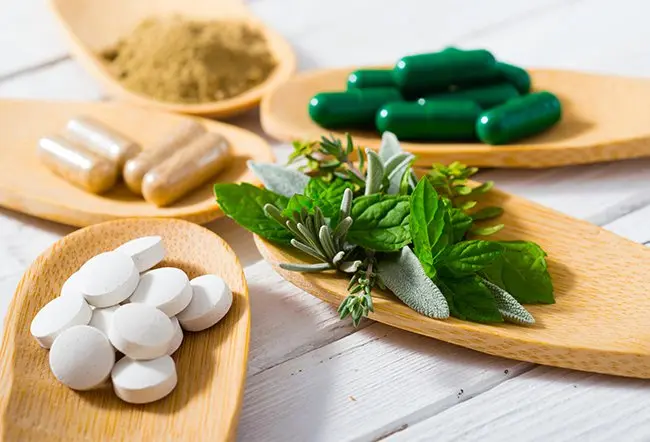
Herbal supplements can interact with prescription medications, and those interactions range from mildly reducing a drug's effectiveness to causing life-threatening side effects. According to the American Family Physician journal, nearly 25% of U.S. adults take a dietary supplement at the same time as a prescription medication. The combination creates a real risk that most people never think about, because the word "natural" on a label feels safe. It is not always safe. This article covers how herbal supplement interactions happen inside the body, which herbs carry the highest risk, which medications are most commonly affected, and what you can do to protect yourself while still benefiting from plant-based support.
Herbal supplement interactions affect your body by changing how your liver processes medications, how your blood clots, or how much of a drug reaches your bloodstream. Every herb contains active chemical compounds. Those compounds behave like pharmacological agents inside your body, just as prescription drugs do. The National Center for Complementary and Integrative Health (NCCIH) at the National Institutes of Health confirms that herbs and botanical products carry the same dangers as other pharmacologically active compounds.
The danger increases because most people do not think of supplements as drugs. A 2015 study published in the New England Journal of Medicine estimated that more than 23,000 emergency department visits per year in the United States are caused by adverse events related to dietary supplements. Of those emergency visits, approximately 2,154 result in hospitalization annually. These are not rare events. Supplement-related emergencies happen every single day in hospitals across the country.
Botanical medicine offers real therapeutic value when used correctly. The problem arises when people take herbal products without understanding how those products interact with their existing medications. The World Health Organization estimates that 80% of the global population relies on medicinal plants for primary healthcare needs. Plant-based medicine is powerful, which is exactly why interactions with pharmaceutical drugs deserve serious attention.
Yes, herbal supplements can interact with medications through two primary biological pathways: pharmacokinetic interactions and pharmacodynamic interactions. Pharmacokinetic interactions change how your body absorbs, distributes, metabolizes, or eliminates a drug. Pharmacodynamic interactions change what a drug does once it reaches its target in the body.
Pharmacokinetic interactions are the more common type. They usually involve the cytochrome P-450 (CYP450) enzyme system in the liver. CYP450 enzymes are responsible for breaking down roughly 70-80% of all prescription medications, according to research published in pharmacology literature. When an herb speeds up (induces) these enzymes, your body breaks down the medication faster than it should. The drug level in your blood drops, and the medication stops working the way your doctor intended. When an herb slows down (inhibits) these enzymes, the medication stays in your bloodstream longer and at higher concentrations. The drug becomes stronger than it should be, raising the risk of toxic side effects.
Pharmacodynamic interactions work differently. Instead of changing drug levels, the herb produces its own effect that either adds to or counteracts the drug's effect. For example, an herb with natural blood-thinning properties taken alongside a prescription blood thinner creates a compounding anticoagulant effect. That compounding effect increases bleeding risk beyond what either substance would cause alone. Naturopathic medicine training includes pharmacology for exactly this reason: understanding both sides of the interaction equation is essential for safe care.
The four types of drug interactions are absorption interactions, distribution interactions, metabolism interactions, and excretion interactions. These four types fall under the pharmacokinetic category and describe the four stages a drug passes through inside your body.
Absorption interactions happen in the stomach and intestines. Certain herbs change the pH level of your stomach acid or bind directly to a medication molecule, preventing the drug from entering your bloodstream at the correct concentration. Calcium and magnesium supplements, for example, can reduce the absorption of certain antibiotics by forming insoluble complexes in the digestive tract.
Distribution interactions affect how a drug moves through your bloodstream to reach its target tissue. Some herbal compounds compete with medications for protein-binding sites in the blood. When an herb displaces a drug from its protein carrier, the free drug concentration in the blood increases, producing a stronger and potentially dangerous effect.
Metabolism interactions occur primarily in the liver, where the CYP450 enzyme system processes both the herb and the drug simultaneously. Metabolism interactions are the most clinically significant and the most commonly documented type of herb-drug interaction. The enzyme families most frequently involved are CYP3A4 (which metabolizes nearly 50% of all drugs), CYP2D6, CYP1A2, and CYP2C9, according to pharmacological research published in the Journal of Clinical Pharmacology.
Excretion interactions change how quickly the kidneys remove a drug from the body. Herbs that act as diuretics can increase the rate at which medications are flushed out, lowering drug concentrations below therapeutic levels. Excretion interactions are less commonly documented than metabolism interactions, but they remain clinically relevant for drugs with narrow therapeutic windows.
Herbal supplements affect liver enzymes by either inducing (speeding up) or inhibiting (slowing down) specific cytochrome P-450 enzyme pathways. The liver uses these enzyme pathways to break down both herbs and medications. When an herbal supplement activates a CYP450 enzyme pathway, every drug metabolized by that same pathway gets processed faster. The result is lower-than-expected drug levels in the blood and reduced therapeutic effectiveness.
St. John's wort is the most well-documented enzyme inducer among herbal supplements. The NCCIH reports that St. John's wort induces both cytochrome P-450 enzymes and intestinal P-glycoprotein, a transport protein that pumps drugs out of cells before they can be absorbed. This dual mechanism gives St. John's wort an overall high risk of drug interaction that extends across dozens of medication classes. Intestinal P-glycoprotein induction means St. John's wort reduces drug absorption in the gut, and CYP3A4 induction means it accelerates drug breakdown in the liver. The combined effect substantially lowers blood levels of affected medications.
Goldenseal operates through the opposite mechanism. An NCCIH-funded study found that goldenseal extract inhibits CYP enzymes, which caused metformin blood levels to decrease by approximately 25% in healthy adults. A 25% reduction in metformin concentration is enough to compromise blood sugar control in people with type 2 diabetes. Goldenseal's inhibitory effect on CYP enzymes extends beyond metformin to many other medications processed by the same pathways. Holistic care that accounts for these enzyme-level interactions is what separates safe herbal supplementation from risky self-prescribing.
The common problems associated with the use of herbal supplements are reduced medication effectiveness, amplified drug side effects, unexpected toxicity, increased bleeding risk, and contamination with undisclosed pharmaceutical agents. Each of these problems stems from a different mechanism, and some patients experience more than one at the same time.
Reduced medication effectiveness happens when an herb speeds up drug metabolism. A medication that was working well suddenly stops controlling the condition it was prescribed for. The patient may not connect the supplement they recently started with their medication becoming less effective. Data from the American Family Physician journal shows that between 40% and 60% of U.S. adults with chronic disease use dietary supplements, making this a widespread clinical concern.
Amplified drug side effects occur when an herb slows drug metabolism or produces an additive pharmacodynamic effect. The drug accumulates to higher-than-intended levels, and side effects that would normally be mild become severe. This is particularly dangerous with medications that have a narrow therapeutic index, meaning the difference between a therapeutic dose and a toxic dose is very small. Digoxin, warfarin, cyclosporine, and certain chemotherapy agents all fall into this narrow-therapeutic-index category.
Contamination poses a separate and often overlooked risk. The FDA classifies dietary supplements as food, not medication, which means supplements do not undergo the same pre-market safety testing as prescription drugs. The number of supplement products in the United States grew from roughly 4,000 in 1994 to more than 55,000 by 2012, according to FDA data cited in the New England Journal of Medicine. That explosive growth outpaced the FDA's ability to monitor product quality. Some supplements have been found to contain undisclosed pharmaceutical ingredients, heavy metals, or microbiological contaminants that create interaction risks beyond the herb itself.
When supplements interact with medication, the clinical consequences range from subtle treatment failure to medical emergencies requiring hospitalization. The outcome depends on the specific herb, the specific medication, the interaction mechanism, the patient's age, organ function, and the dosages involved.
Treatment failure is the most common outcome. A patient taking St. John's wort alongside oral contraceptives may experience breakthrough bleeding or unintended pregnancy because St. John's wort accelerates the metabolism of contraceptive hormones. A transplant patient taking St. John's wort alongside the immunosuppressant drug cyclosporine may experience organ rejection because cyclosporine blood levels drop below the protective threshold. These are clinically documented outcomes, not theoretical possibilities. The NCCIH confirms that clinically significant interactions between St. John's wort and cyclosporine, indinavir, oral contraceptives, warfarin, digoxin, and benzodiazepines have all been documented.
The New England Journal of Medicine study on supplement-related ER visits found that cardiovascular symptoms, including heart palpitations, chest pain, and rapid heartbeat, were the most common reasons for emergency visits among adults aged 20 to 34 who used weight-loss or energy supplements. Among adults 65 and older, 37% of supplement-related ER visits involved choking or swallowing difficulties related to supplement pills. Functional medicine approaches that include comprehensive medication and supplement reviews can prevent these outcomes by catching interactions before they produce symptoms.
Herbal SupplementPrimary Interaction MechanismMedications Most AffectedRisk LevelSt. John's WortCYP3A4 induction + P-glycoprotein inductionWarfarin, cyclosporine, oral contraceptives, SSRIs, digoxin, benzodiazepines, HIV antiviralsHighGoldensealCYP enzyme inhibitionMetformin, CYP3A4/CYP2D6 substratesHighGinkgo BilobaAntiplatelet activityWarfarin, aspirin, clopidogrel, efavirenzModerateGarlic (extract)Antiplatelet activity + mild CYP effectsWarfarin, aspirin, clopidogrelModerateGinseng (Asian)Variable CYP effectsWarfarin, calcium channel blockers, statins, antidepressantsLow-ModerateGreen Tea (extract)CYP3A4 modulation + OATP inhibitionNadolol, atorvastatinModerateKavaCYP2E1 inhibition + pharmacodynamic sedationBenzodiazepines, sedatives, hepatotoxic drugsModerateLicoriceMineralocorticoid activity + potassium depletionWarfarin, digoxin, blood pressure medications, diureticsModerate
Sources: NCCIH Clinical Digest (December 2024), American Family Physician (2017), Mayo Clinic, Natural Medicines Comprehensive Database
The herbal supplements with the highest interaction risk are St. John's wort and goldenseal, both of which the American Academy of Family Physicians classifies as having an overall high risk of drug interaction. Several other herbs, including garlic, ginkgo biloba, green tea extract, licorice, and kava, carry moderate risk depending on the specific medication involved.
St. John's wort interacts with so many drugs because it powerfully activates CYP3A4, the single most important drug-metabolizing enzyme in the human liver. CYP3A4 processes nearly 50% of all commercially available prescription medications. When St. John's wort induces this enzyme, every drug in that 50% gets metabolized faster, and blood levels of those drugs drop.
St. John's wort's interaction profile extends beyond CYP3A4. The herb also induces CYP2C9 and CYP1A2, additional enzyme families that metabolize another large subset of medications. On top of the liver enzyme effects, St. John's wort induces intestinal P-glycoprotein, which acts like a gatekeeper in the gut wall. P-glycoprotein pumps drug molecules back into the intestinal lumen before they can cross into the bloodstream. The combined effect of reduced absorption and accelerated metabolism makes St. John's wort the most broadly interacting herbal supplement in clinical use.
The medications most seriously affected by St. John's wort include the immunosuppressant cyclosporine (used to prevent transplant organ rejection), the HIV antiretroviral indinavir, combined oral contraceptive pills, the blood thinner warfarin, the cardiac drug digoxin, and serotonergic antidepressants. With serotonergic drugs specifically, St. John's wort creates a pharmacodynamic risk as well: since St. John's wort itself has mild serotonergic activity, combining it with an SSRI or SNRI antidepressant can produce serotonin syndrome, a potentially fatal condition characterized by agitation, confusion, rapid heart rate, and high body temperature.
Sales of St. John's wort increased 24% in 2024, according to the American Botanical Council's HerbalGram Report. That sales growth means more people are taking the herb, and more people are at risk for interactions they may not know about. Hormone therapy patients should pay particular attention, since St. John's wort can reduce blood levels of both bioidentical and synthetic hormone preparations through CYP3A4 induction.
Yes, turmeric can interact with prescription drugs, primarily through its active compound curcumin. Curcumin inhibits certain CYP450 enzymes, including CYP1A2 and CYP3A4, and also has natural antiplatelet properties that can increase bleeding risk when combined with blood-thinning medications.
The AAFP classifies curcumin as an herb that may cause interactions with a few specific medications but is likely safe with most others. The primary concern is with blood thinners like warfarin and antiplatelet drugs like clopidogrel, where curcumin's own antiplatelet activity adds to the drug's effect. Turmeric supplements sold in concentrated extract form deliver significantly higher curcumin doses than culinary turmeric used in cooking. The distinction matters because a pinch of turmeric in a curry poses minimal interaction risk, while a 500 mg standardized curcumin capsule delivers a pharmacologically active dose.
Curcumin can also affect the absorption and metabolism of diabetes medications and certain chemotherapy agents. Patients taking these medication classes should discuss curcumin supplementation with their healthcare provider before starting. Turmeric and curcumin supplement sales grew approximately 30% in recent years, driven by widespread interest in their anti-inflammatory properties, according to dietary supplement market data. That popularity growth makes the interaction awareness gap more urgent.
The supplements you should not take with blood thinners include garlic extract, ginkgo biloba, ginger in concentrated form, evening primrose oil, high-dose fish oil, vitamin E in high doses, and chamomile. Each of these supplements has natural anticoagulant or antiplatelet properties that can compound the blood-thinning effect of prescription medications like warfarin, clopidogrel, and aspirin.
Blood thinners represent the medication class most frequently involved in herbal supplement interactions. The NCCIH reports that taking ginkgo biloba with warfarin is associated with increased risk for major bleeding events compared to warfarin alone. The Mayo Clinic confirms that garlic, ginkgo, evening primrose, and saw palmetto all raise bleeding risk when taken alongside blood thinners. Bleeding events caused by supplement-drug interactions range from excessive bruising and prolonged wound healing to gastrointestinal hemorrhage and hemorrhagic stroke.
The compounding mechanism works because these herbs affect platelet aggregation through different biochemical pathways than the prescription blood thinner uses. When a patient takes warfarin (which blocks vitamin K-dependent clotting factors) alongside ginkgo (which inhibits platelet-activating factor), two separate anticoagulation mechanisms operate simultaneously. The combined effect exceeds what either substance would produce alone, and the patient's International Normalized Ratio (INR), the blood test that measures warfarin's effect, can spike to dangerous levels without warning.
Patients taking any blood-thinning medication should have every supplement they use reviewed by a qualified healthcare provider. Even seemingly harmless supplements like chamomile tea in large quantities can affect warfarin metabolism. The interaction between chamomile and warfarin has been documented, and preliminary research suggests chamomile may also reduce the effectiveness of oral contraceptives, according to the NCCIH. Patients in our Bingham Farms, Michigan practice often come to us specifically because they want to use supplements safely alongside their existing medications.
The herbal supplements you should avoid before surgery include garlic, ginkgo biloba, ginseng, St. John's wort, kava, valerian, and ephedra-containing products. The standard clinical recommendation is to stop all herbal supplements at least two weeks before any scheduled surgical procedure.
The two-week timeline exists because herbal compounds and their effects on liver enzymes and platelet function need time to clear from the body completely. Garlic, ginkgo, and ginseng all increase bleeding risk during and after surgery by impairing platelet aggregation. St. John's wort creates a different surgical risk: it can alter the metabolism of anesthetic agents and post-operative pain medications, making anesthesia management unpredictable. Environmental medicine practitioners consider these clearance timelines essential because the body's detoxification pathways determine how quickly herbal compounds leave the system.
Kava and valerian create pharmacodynamic risks during surgery because both herbs produce sedative effects that can potentiate general anesthesia. Combining a sedative herb with anesthetic agents increases the risk of excessive sedation, respiratory depression, and prolonged recovery from anesthesia. Patients frequently forget to mention supplements to their surgical team because they do not consider herbs to be medications.
A UCLA study led by Dr. Derjung Mimi Tarn found that fewer than 50% of patients disclose dietary supplement use to their doctors. Among those who do disclose, only about one-third of the supplements they actually take are mentioned. This disclosure gap becomes particularly dangerous in surgical settings, where undisclosed supplement use can directly compromise patient safety during the procedure.
A herb drug interaction chart is a reference tool, either printed or digital, that lists herbal supplements alongside the prescription medications they are known to interact with. These charts categorize interactions by severity (major, moderate, minor) and specify the mechanism involved (enzyme induction, enzyme inhibition, additive effect).
Several reliable herb-drug interaction resources exist, and knowing how to use them before your appointment can help you prepare better questions for your healthcare provider. Here is how to check for potential interactions:
Self-screening with interaction databases is a useful first step, but it does not replace professional evaluation. Many herb-drug interactions are classified as "theoretical" based on laboratory studies that have not been confirmed in human clinical trials. The AAFP notes that most herb-drug interactions identified in current databases are hypothetical, inferred from animal studies or cellular assays. A qualified practitioner can distinguish between a theoretical interaction and a clinically significant one for your specific health profile. Nutrition guidance that includes supplement review is one of the most practical steps a patient can take to prevent interactions.
Yes, you should always tell your doctor about every supplement you take, including herbal products, vitamins, minerals, protein powders, and any other dietary supplement. Nondisclosure of supplement use is one of the most significant patient safety gaps in modern healthcare.
The statistics on supplement nondisclosure are alarming. A study from Boston Medical Center found that only 6% of hospital patients experienced the full safety cycle of being asked about supplements, disclosing their use, and having that use documented in the medical chart. Up to 70% of patients using dietary supplements do not report that use to their healthcare provider, according to data cited by the FDA. Research from the American Medical Association identifies three common reasons for nondisclosure: the practitioner did not ask, the patient believed the practitioner did not need to know, and the patient feared judgment or discouragement from the provider.
Here are the key reasons to disclose every supplement to your healthcare provider:
U.S. herbal supplement sales reached a record $13.2 billion in 2024, a 5.4% increase from the prior year, according to the American Botanical Council. That record spending means more patients are taking more supplements than ever before, and the interaction risk pool grows with every sale. Proactive disclosure is the single most effective safety measure available to patients.
Drug interactions can be beneficial when one substance enhances the therapeutic effect of another in a clinically desirable way. Some herbal compounds improve the bioavailability of nutrients or medications, allowing lower doses to achieve the same therapeutic result.
Piperine, the active compound in black pepper, is one of the most well-studied examples of a beneficial interaction. Piperine inhibits certain CYP enzymes and intestinal drug transporters, which increases the absorption and blood levels of curcumin by up to 2,000%, according to research published in Planta Medica. This is why many turmeric supplements include black pepper extract in the formulation. The interaction is intentional and beneficial.
Beneficial interactions still require professional oversight. The same enzyme inhibition that makes piperine helpful for curcumin absorption could become dangerous when applied to a narrow-therapeutic-index medication. Genetic screening can reveal individual variations in CYP450 enzyme activity that determine whether a particular herb-drug combination will be beneficial, neutral, or harmful for a specific patient. What helps one person may harm another based on their genetic enzyme profile.
A naturopathic physician (ND) receives extensive training in both botanical medicine and pharmacology, which positions NDs uniquely to manage the intersection of herbal supplements and prescription medications. This dual training is the core difference between self-directed supplementation and professionally guided supplementation.
During a comprehensive intake, we review every medication, every supplement, every over-the-counter product, and every herbal tea a patient uses. We assess the full interaction landscape rather than evaluating each product in isolation. We also consider individual variables that affect interaction risk: liver function, kidney function, age, body weight, genetic enzyme variations, and the presence of chronic conditions like autoimmune disorders, diabetes, or thyroid disease that alter drug metabolism.
Advanced testing allows us to identify metabolic and nutritional status at a level that standardized interaction charts cannot. Interaction charts tell you that ginkgo biloba interacts with warfarin. What they do not tell you is whether a particular patient's CYP enzyme activity, nutritional deficiencies, or existing health conditions make that interaction clinically significant or clinically negligible for them specifically. Root-cause, personalized care closes that gap.
We also help patients find botanical alternatives when an interaction rules out a specific herb. If a patient on warfarin wants anti-inflammatory support but cannot safely take garlic extract or ginkgo, we identify other herbal remedies with different mechanisms that do not carry anticoagulant effects. Safe supplementation is not about avoiding herbs entirely; it is about matching the right herb to the right patient at the right dose with the right monitoring.
Herbal drug interactions are important because they can reduce the effectiveness of life-saving medications, amplify dangerous side effects, or cause unexpected medical emergencies. The NEJM study confirming 23,000 annual emergency department visits and over 2,100 hospitalizations from supplement-related adverse events demonstrates that these interactions produce real clinical harm at a population level.
The most dangerous herbal supplements from an interaction standpoint are St. John's wort and goldenseal. The American Academy of Family Physicians classifies both as having an overall high risk of drug interaction. St. John's wort interacts with dozens of medication classes through CYP3A4 and P-glycoprotein induction, and goldenseal alters the metabolism of drugs processed by multiple CYP enzyme families.
The difference between a supplement and a drug is primarily regulatory, not pharmacological. The FDA classifies dietary supplements as food under the Dietary Supplement Health and Education Act of 1994 (DSHEA), which means supplements do not require pre-market safety testing or FDA approval before being sold. Prescription drugs must undergo rigorous clinical trials demonstrating safety and efficacy before reaching the market. Both supplements and drugs contain pharmacologically active compounds that affect the body.
The exact number is difficult to pin down because well-designed clinical studies evaluating herbal supplement-drug interactions remain limited. The NCCIH acknowledges that most identified herb-drug interactions are hypothetical, based on laboratory or animal studies rather than human clinical trials. The most reliably documented interactions involve approximately 15-20 commonly used herbal supplements, with St. John's wort, goldenseal, garlic, ginkgo, ginseng, green tea extract, kava, and licorice carrying the strongest clinical evidence.
Supplements that interact with blood pressure medication include licorice (which can raise blood pressure and counteract antihypertensive drugs), ginseng (which may affect calcium channel blockers), hawthorn (which may potentiate the effects of beta blockers, calcium channel blockers, and nitrates), and St. John's wort (which can reduce blood levels of calcium channel blockers). The Mayo Clinic confirms that danshen can cause dangerously low blood pressure when combined with antihypertensive medications.
The interaction checker for herbal supplements is a digital reference tool that cross-references herbal products with prescription medications to identify known or potential interactions. Reliable interaction checkers include the Natural Medicines Comprehensive Database, Medscape Drug Interaction Checker, and the NCCIH's Herbs at a Glance reference pages. These tools categorize interactions by severity and mechanism to help patients and providers evaluate risk.
Herbal supplements offer real benefits when used correctly, and they carry real risks when used without awareness of how they interact with prescription medications. The evidence is clear: millions of Americans take supplements alongside medications, very few disclose that use to their providers, and thousands end up in emergency rooms every year from preventable adverse events. The solution is not to avoid herbal medicine. The solution is to use it with the same respect and caution you would give to any pharmacologically active substance.
Talk to your provider. Bring your full supplement list to every appointment. Ask about interactions before you start a new herb. If you want professional guidance on using supplements safely alongside your medications, Cutler Integrative Medicine is here to help. You can reach us at (248) 663-0165 to schedule a consultation.


.png)




.avif)
Cutler Integrative Medicine blends naturopathic and conventional care to treat the root causes of illness. Through personalized wellness plans, advanced diagnostics, and holistic therapies.
.avif)
.avif)
Copyright © 2025 Cutler Integrative Medicine. All Rights Reserved.
.avif)



.png)


.avif)
.avif)

.avif)
