.avif)



.avif)


.webp)


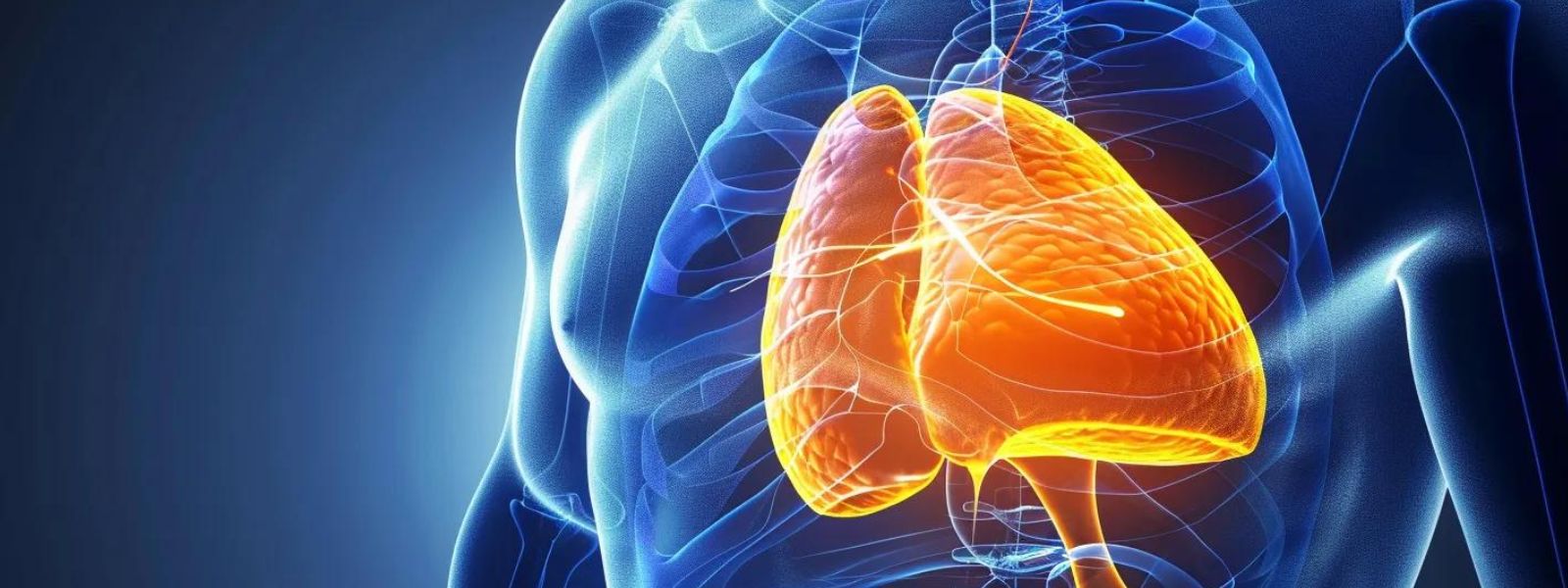
Yes, liver problems can cause hormone imbalance. Your liver is like a busy traffic cop for hormones. It tells them where to go, when to stop, and cleans them up when they're done working. When your liver isn't working well, hormones can pile up in your body or not work the way they should.
Think of it this way: if the traffic cop takes a break, cars go everywhere with no order. That's what happens to your hormones when your liver is struggling. This can lead to many symptoms like fatigue, mood swings, weight gain, and more.
Your liver does over 500 jobs for your body. One of the most important jobs is managing hormones. Let's break down how this works.
The liver is your body's largest internal organ. It sits on the right side of your belly, just under your ribs. While the liver doesn't make most hormones itself, it plays a huge role in how they work.
Here's what your liver does with hormones:
It breaks down hormones after they've done their job. It makes special proteins that carry hormones through your blood. It converts some hormones into active forms your body can use. It removes extra hormones so they don't build up.
Without a healthy liver, these jobs don't get done well. This leads to hormone imbalance.
Your liver cleans hormones through a two-step process. Scientists call this Phase 1 and Phase 2 detoxification.
In Phase 1, your liver starts breaking down hormones using special enzymes. Think of this like breaking a big box into smaller pieces. But these smaller pieces can sometimes be harmful if they stick around too long.
That's where Phase 2 comes in. In this step, the liver attaches small molecules to those broken-down hormone pieces. This makes them water-soluble, which means your body can flush them out through urine and stool.
Both phases need to work in balance. If Phase 1 goes too fast or Phase 2 goes too slow, you can end up with a buildup of partly processed hormones. This can cause problems throughout your body.
Your liver handles many types of hormones. Here are the main ones:
Estrogen - This hormone is important for women's reproductive health. But men have it too. The liver breaks down estrogen so it doesn't build up to harmful levels.
Testosterone - Both men and women need this hormone. Your liver helps keep it at the right level.
Thyroid hormones - Your thyroid makes hormones called T3 and T4. Your liver actually converts T4 into the active T3 form. If your liver is sluggish, you may not have enough active thyroid hormones.
Cortisol - This is your main stress hormone. The liver helps clear it from your system after a stressful event.
Insulin - This hormone controls your blood sugar. Liver problems can affect how well insulin works.
Aldosterone - This hormone controls fluid balance. If the liver doesn't break it down, you may retain water and feel puffy.
When your liver isn't working at its best, hormones can get out of balance in several ways. Let's look at the main reasons this happens.
One of the most common hormone problems linked to liver issues is estrogen dominance. This happens when estrogen levels get too high compared to other hormones like progesterone.
Normally, your liver breaks down estrogen and sends it to your intestines. From there, it leaves your body through stool. But if your liver is sluggish, estrogen can get recycled back into your bloodstream instead of leaving.
Signs of estrogen dominance include heavy or painful periods, breast tenderness, mood swings, weight gain (especially around the hips), headaches, and low energy.
Both women and men can have estrogen dominance. In men, it can cause breast tissue growth, low libido, and belly fat.
Your liver plays a key role in thyroid health. About 60% of thyroid hormone conversion happens in the liver. The liver changes the inactive T4 hormone into active T3.
When liver function is poor, this conversion slows down. You may have normal T4 levels but low T3. This can cause symptoms like fatigue, weight gain, cold hands and feet, dry skin, brain fog, and depression.
Research shows that people with fatty liver disease often have thyroid problems too. Studies suggest that women after menopause have a much higher risk of fatty liver disease. This happens because lower estrogen levels lead to changes in metabolism.
Your liver stores and releases sugar to keep your blood levels steady. It also responds to insulin, the hormone that controls blood sugar.
When the liver gets fatty or damaged, it becomes resistant to insulin. This means your body has to make more insulin to do the same job. High insulin levels then cause their own problems.
High insulin can trigger your ovaries to make more testosterone. In women, this can lead to conditions like PCOS (polycystic ovary syndrome). It can also make it very hard to lose weight.
The connection goes both ways. Liver problems cause insulin resistance, and insulin resistance makes liver problems worse. It's a cycle that needs to be broken.
Your liver helps clear cortisol, the stress hormone. When liver function is poor, cortisol can stay elevated longer than it should.
Chronic high cortisol leads to anxiety, trouble sleeping, belly fat, muscle loss, weak bones, and a weak immune system.
Many people with liver problems feel constantly stressed or wired. This may be because their liver can't clear cortisol fast enough.
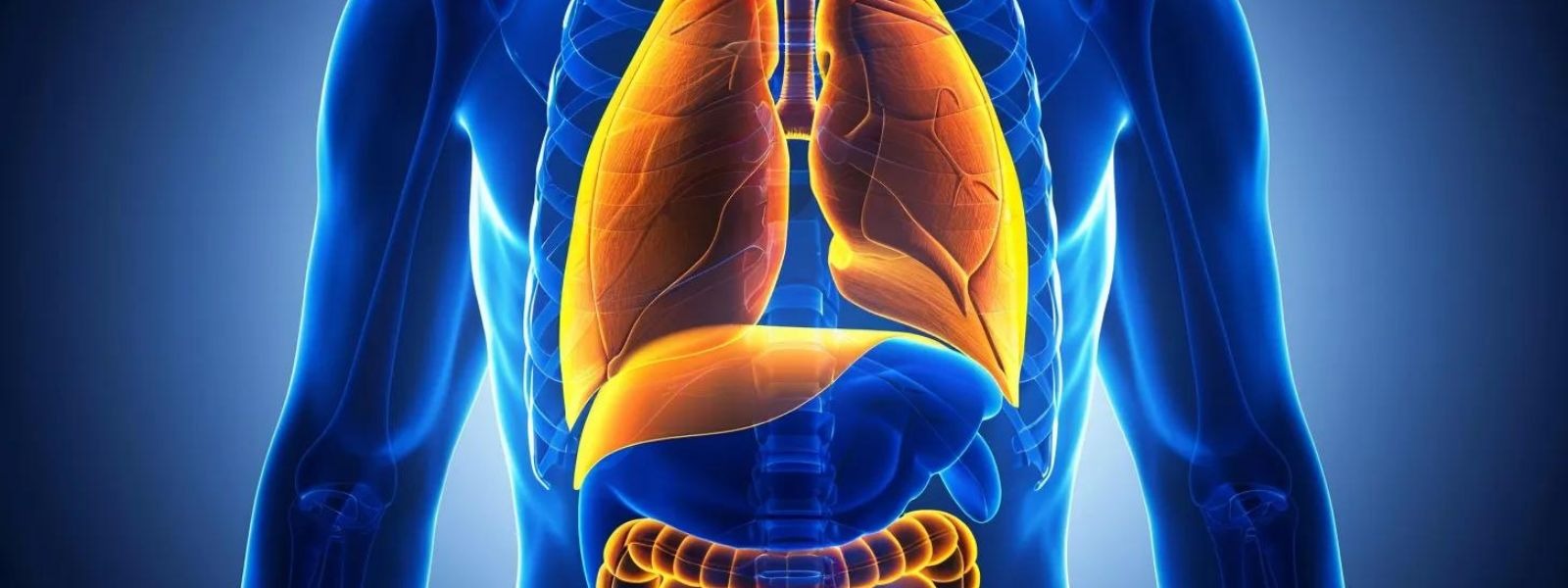
How do you know if your liver is behind your hormone problems? Here are warning signs to watch for.
Pay attention to these body signals:
Unexplained weight gain, especially around the middle. Fatigue that doesn't get better with rest. Skin issues like acne, rashes, or yellowing. Fluid retention and bloating. Breast tenderness or swelling. Irregular or painful periods. Low sex drive. Thinning hair or hair loss.
Since the liver makes bile for digestion, digestive symptoms often show up early:
Trouble digesting fatty foods. Bloating after meals. Constipation or irregular bowel movements. Nausea. Pain or discomfort in the upper right belly.
Hormone imbalance affects how you feel emotionally:
Mood swings and irritability. Anxiety that seems to come from nowhere. Depression or low mood. Brain fog and trouble concentrating. Sleep problems. Feeling overwhelmed easily.
Sometimes standard blood tests show hints of liver-hormone problems:
Elevated liver enzymes (ALT, AST). High cholesterol, especially triglycerides. Blood sugar problems or prediabetes. Low T3 with normal T4 and TSH. High estrogen levels.
If you notice these patterns, it's worth looking deeper at your liver health.
Several liver conditions can disrupt hormone balance. Here are the most common ones.
Fatty liver disease is now the most common liver problem worldwide. It affects about 1 in 4 adults. This condition happens when too much fat builds up in liver cells.
There are two main types. Alcoholic fatty liver comes from drinking too much alcohol. Non-alcoholic fatty liver disease (NAFLD) happens even without heavy drinking.
Fatty liver is closely tied to hormone problems. Research shows that NAFLD is linked to insulin resistance, low testosterone in men, high estrogen in both sexes, thyroid problems, and PCOS in women.
The good news is that fatty liver can often be reversed with lifestyle changes.
Sometimes the liver works, but not at full speed. This is often called a "sluggish" or congested liver. It's not a disease you can diagnose with a blood test, but many holistic practitioners recognize it.
Signs of liver congestion include sensitivity to chemicals or smells, reactions to alcohol or caffeine, skin breakouts, digestive issues, and hormonal symptoms.
Liver congestion often comes from too many toxins, poor diet, or nutrient deficiencies.
Cirrhosis is severe scarring of the liver. It can happen from long-term alcohol use, hepatitis, or untreated fatty liver disease.
Cirrhosis causes major hormone problems. Research shows that cirrhosis leads to multiple hormone disruptions including diabetes, thyroid dysfunction, low sex hormones, bone disease, and adrenal problems.
Cirrhosis is a serious condition that needs medical care. But catching liver problems early can help prevent it.
Your liver and gut work as a team. They're connected by a highway of blood vessels called the portal vein. What happens in your gut directly affects your liver and hormones.
Inside your gut lives a special group of bacteria called the estrobolome. These bacteria help process estrogen.
When your gut bacteria are healthy, they help send estrogen out of your body properly. But when gut bacteria are out of balance, they make an enzyme called beta-glucuronidase. This enzyme frees estrogen that was supposed to leave, sending it back into your blood.
This is another way hormone imbalance can happen, even if your liver is working okay. That's why digestive health matters so much for hormones.
Fiber plays a huge role in hormone balance. When your liver processes estrogen, it sends it to your intestines through bile. Fiber binds to this estrogen and carries it out in your stool.
Without enough fiber, estrogen can be reabsorbed. Most people don't eat nearly enough fiber. The average American gets about 15 grams per day. Experts recommend 25-35 grams.
Good sources of fiber include ground flaxseed, vegetables, beans, oats, and chia seeds. These foods support both your gut and liver.
Regular bowel movements are essential for hormone balance. If you're constipated, processed hormones sit in your intestines too long. They can get reabsorbed back into your body.
Aim for at least one bowel movement per day. If you're not hitting this target, it may be affecting your hormones.
Some people are more likely to have liver-related hormone problems. Here's who should pay extra attention.
Menopause brings major hormone shifts. Estrogen levels drop, which actually increases the risk of fatty liver disease. Research shows that women after menopause have 2.4 times higher odds of developing fatty liver compared to women before menopause.
This happens because estrogen normally protects the liver. When estrogen falls, the liver becomes more vulnerable to fat buildup and metabolic problems.
If you're going through menopause and noticing new symptoms, your liver health is worth checking. Natural support during menopause should include liver care.
Polycystic ovary syndrome (PCOS) and liver problems often go together. PCOS involves hormone imbalance, insulin resistance, and often weight gain. All of these factors stress the liver.
Studies show that women with PCOS have higher rates of fatty liver disease. The insulin resistance seen in PCOS can promote fat buildup in the liver.
If you have PCOS, supporting your liver may help your symptoms. Better liver function can improve insulin sensitivity and hormone balance.
Carrying extra weight, especially around the belly, increases liver strain. Fat cells make their own estrogen. More fat cells mean more estrogen production, which the liver then has to process.
At the same time, excess weight often leads to fatty liver disease. This creates a double burden on hormone balance.
The liver also plays a role in weight control. When it's sluggish, metabolism slows down. This makes weight loss even harder.
We're all exposed to chemicals that can disrupt hormones. These are called endocrine disruptors or xenoestrogens. They're found in plastics, pesticides, personal care products, and many household items.
Your liver has to process all these chemicals. Heavy exposure can overwhelm its capacity. When that happens, both the toxins and your natural hormones don't get cleared properly.
People with high toxin exposure may benefit from environmental medicine approaches that support detoxification.
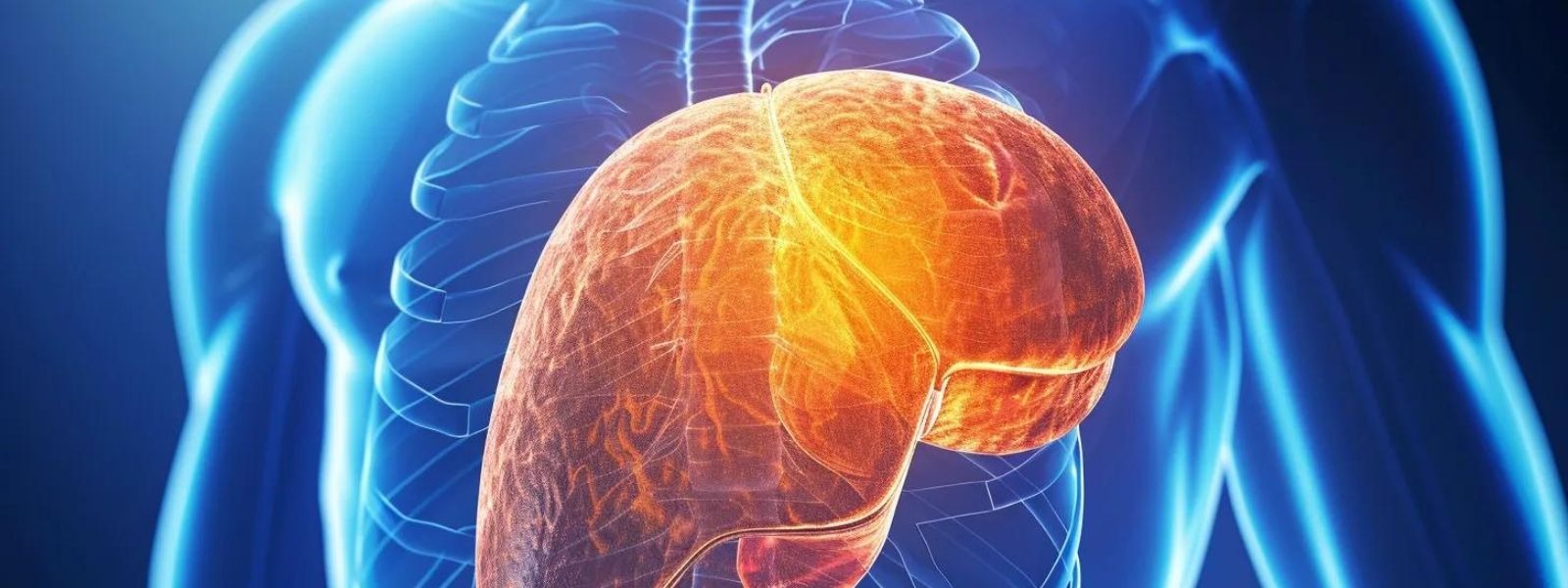
What you eat has a powerful effect on your liver and hormones. Here are the best foods to include.
Broccoli, cauliflower, kale, cabbage, and Brussels sprouts are hormone-balancing superstars. They contain special compounds called indole-3-carbinol and sulforaphane.
These compounds help your liver process estrogen through the safest pathways. Research shows they support healthy estrogen metabolism.
Try to eat cruciferous vegetables daily. Raw or lightly cooked is best to preserve the helpful compounds.
As we discussed, fiber binds to hormones and carries them out of your body. The best sources are ground flaxseed (also contains hormone-balancing lignans), chia seeds, beans and lentils, oats, vegetables, and fruits.
Aim for 25-35 grams of fiber daily. Increase slowly and drink plenty of water to avoid digestive upset.
Some foods have special benefits for the liver. These include beets (support bile flow), garlic (contains liver-protective compounds), turmeric (reduces inflammation), artichokes (support liver detoxification), leafy greens (provide chlorophyll and nutrients), and citrus fruits (provide vitamin C for detox enzymes).
Not all fats are bad for your liver. In fact, some fats help protect it. Good choices include olive oil, fatty fish like salmon and sardines, avocados, walnuts, and flaxseed.
Research shows that olive oil helps reduce fat buildup in the liver. Omega-3 fats from fish can help reduce liver inflammation.
Your liver needs amino acids from protein to run its detox pathways. Include quality protein at each meal. Good sources are eggs, fish, poultry, legumes, and nuts.
Just as some foods help your liver, others make its job harder.
Sugar, especially fructose, goes straight to the liver for processing. Too much sugar can lead to fat buildup in the liver. This is one of the main causes of fatty liver disease in people who don't drink alcohol.
Limit sweets and sugary drinks. Also watch out for refined carbs like white bread, pasta, and pastries. These turn into sugar quickly in your body.
Alcohol is processed entirely by the liver. Even moderate drinking can affect liver function and hormone balance.
Research shows that alcohol increases estrogen levels and depletes glutathione, an important liver detox molecule. If you're dealing with hormone issues, cutting back on alcohol often helps.
Highly processed foods contain chemicals, preservatives, and unhealthy fats that burden the liver. Fried foods are especially problematic because they contain oxidized fats.
These foods also tend to be low in the nutrients your liver needs to work well.
When possible, choose organic produce to reduce pesticide exposure. Avoid plastic food containers, especially when heating food. Limit large fish that may contain mercury. Filter your drinking water.
Beyond diet, several lifestyle factors affect your liver and hormones.
Exercise has powerful benefits for both liver and hormones. Physical activity helps reduce liver fat, improve insulin sensitivity, balance stress hormones, support healthy weight, and boost mood.
You don't need intense workouts. Even daily walking helps. Aim for at least 30 minutes most days.
Chronic stress floods your body with cortisol. This puts extra work on your liver and disrupts other hormones.
Find stress management techniques that work for you. Options include deep breathing, meditation, yoga, time in nature, and hobbies you enjoy.
Your mental health and hormone health are closely connected.
Sleep is when your body does major repair work, including in the liver. Poor sleep disrupts hormone production and makes it harder for your liver to detox.
Aim for 7-9 hours of quality sleep. Keep a regular sleep schedule and create a dark, cool sleep environment.
Help your liver by reducing its workload. Simple steps include choosing natural cleaning products, switching to glass food storage, using natural personal care products, avoiding plastics with BPA, and getting fresh air and opening windows.
Several natural approaches can support your liver's hormone-processing abilities.
Your liver needs specific nutrients for detoxification:
B vitamins support both Phase 1 and Phase 2 detox pathways. Look for a quality B-complex or get B vitamins from whole foods.
Magnesium is involved in over 300 enzyme reactions, including liver detox. Many people don't get enough.
Glutathione is your liver's master antioxidant. N-acetyl cysteine (NAC) helps your body make glutathione.
Vitamin E has been studied for fatty liver and may help reduce liver inflammation.
Choline is essential for liver fat metabolism. Eggs and liver are good food sources.
Several herbs have a long history of liver support:
Milk thistle contains silymarin, which has been studied for liver protection. Research shows it may help support liver function.
Dandelion root supports bile flow and has been used traditionally for liver health.
Turmeric contains curcumin, which has anti-inflammatory effects. Studies show it may benefit liver function.
Always check with a healthcare provider before starting supplements, especially if you take medications.
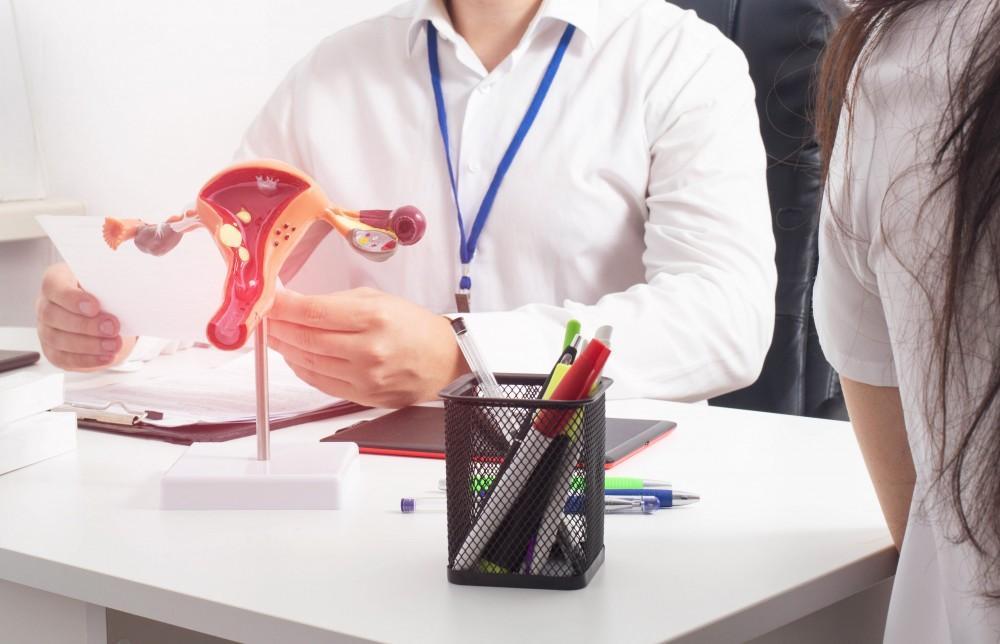
Sometimes you need more than general lifestyle changes. A naturopathic doctor can assess your specific situation and create a personalized plan.
Testing options may include comprehensive hormone panels, liver function tests, genetic testing for detox capacity, and gut health testing.
IV nutrient therapy can also provide direct support for liver detoxification by delivering nutrients right where they're needed.
While lifestyle changes help many people, some situations need professional care.
See a healthcare provider right away if you have yellowing of skin or eyes (jaundice), severe abdominal pain, unusual bruising or bleeding, dark urine or pale stools, or sudden unexplained weight loss.
These could indicate serious liver problems that need medical attention.
Standard blood tests may miss early liver problems. If you suspect liver-hormone issues, ask about comprehensive liver panels, hormone testing including estrogen metabolites, thyroid panels with T3 and T4, and blood sugar and insulin levels.
A functional or integrative medicine approach often looks deeper than standard tests.
Your liver needs change throughout life. Here's what to know at each stage.
Even young people can develop fatty liver from poor diet and lifestyle. Early prevention is key. Focus on building healthy habits now.
If you're planning a pregnancy, liver health matters. Good detoxification helps prepare your body for conception. Preconception care should include liver support.
This is when many people first notice hormone symptoms. Perimenopause for women and andropause for men both stress the liver. Pay extra attention to liver-supportive diet and lifestyle during these transitions.
As we age, liver function naturally declines somewhat. At the same time, we may take more medications that the liver must process.
Support your liver with nutrient-dense foods, gentle movement, and reducing unnecessary toxins.
Your liver and hormones are deeply connected. When your liver struggles, hormone balance suffers. The good news is that supporting your liver can make a real difference in how you feel.
The key steps are eating plenty of vegetables, especially cruciferous ones, getting enough fiber, reducing sugar, alcohol, and toxins, moving your body regularly, managing stress, and getting quality sleep.
If you're dealing with stubborn hormone symptoms, looking at liver health may be the missing piece. Sometimes the root cause of hormone problems isn't in the hormones themselves. It's in the organ that processes them.
At Cutler Integrative Medicine, we take a whole-body approach to hormonal imbalance. We look at your liver, gut, lifestyle, and more to find the root cause of your symptoms. Our naturopathic approach supports your body's natural healing abilities.
Ready to get to the bottom of your hormone issues? Contact us today to schedule a consultation and start your journey to better health.


.png)




.avif)
Cutler Integrative Medicine blends naturopathic and conventional care to treat the root causes of illness. Through personalized wellness plans, advanced diagnostics, and holistic therapies.
.avif)
.avif)
Copyright © 2025 Cutler Integrative Medicine. All Rights Reserved.
.avif)


.png)

.avif)
.avif)

.avif)
