.avif)



.avif)


.webp)


You can reset your body after antibiotics. It takes a mix of the right foods, good habits, and a little patience. Most people see their gut start to bounce back within 4 to 6 weeks. For some, full recovery may take up to 6 months. The good news? Your body wants to heal. You just need to give it the right tools.
Antibiotics are life-savers. They fight off bad germs and help you get well. But here's the catch they can't tell the good guys from the bad guys. So while they kick out the harmful bacteria, they also wipe out the helpful ones in your gut. This can leave you feeling off, bloated, or just not yourself.
In this article, you'll learn why gut health matters, what happens to your body after antibiotics, and nine simple steps to get back on track. Let's dive in.
Your gut is like a busy city. Trillions of tiny living things mostly bacteria call it home. Scientists call this the gut microbiome. And it does way more than just help you digest food.
Your gut helps with digestion, breaking down food so your body can use the good stuff. It also helps your immune system stay strong. In fact, about 70% of your immune cells live in your gut. That's a big deal.
But there's more. Your gut talks to your brain through something called the gut-brain axis. This means your gut health can affect your mood, sleep, and even how you think. So when your gut is happy, you feel better all around.
When the balance of good and bad bacteria tips the wrong way, things can go sideways. You might notice bloating, gas, or stomach pain. Some people get diarrhea or constipation. Others feel tired, foggy, or just "off."
This imbalance called dysbiosis can also lead to bigger problems down the road. It's been linked to allergies, skin issues, and even autoimmune conditions. That's why keeping your gut in check is so important.
Antibiotics are powerful. They need to be they're fighting serious infections. But that power comes with a cost.
Think of antibiotics like a forest fire. They clear out the bad stuff, but they also burn down the good trees. In your gut, this means the helpful bacteria get wiped out right along with the harmful ones.
Research from the University of Copenhagen found that after a course of antibiotics, the gut microbiome can recover to near-normal in about 6 weeks. But some helpful bacteria may stay missing for 6 months or longer. In some cases, certain species never fully come back.
After antibiotics, you might notice loose stools, diarrhea, bloating, and gas. Stomach cramps are common too. Some people develop yeast infections or feel unusually tired and run down. You may even notice food sensitivities that weren't there before.
These are signs your gut is out of balance. The good news is that with the right steps, you can help it heal.
Now for the good news. You have the power to help your gut bounce back. Here are nine steps that really work.
Probiotics are live good bacteria. They help refill your gut with the helpful bugs you've lost. Think of them as reinforcements for your gut army.
Not all probiotics are the same. Some strains work better for gut recovery than others. Lactobacillus rhamnosus GG is one of the most studied strains for gut health. Saccharomyces boulardii is a helpful yeast that antibiotics can't kill, making it especially useful during treatment. Bifidobacterium lactis supports healthy digestion, while Lactobacillus acidophilus helps restore overall balance.
When choosing a probiotic, look for products with at least 10 to 50 billion CFUs (colony forming units). Multi-strain formulas often work best because they mimic the natural variety in your gut.
Timing matters. Take your probiotic at least 2 hours before or after your antibiotic. This gives the good bacteria a better chance to survive. Keep taking probiotics for at least 4 weeks after your antibiotic course ends.
Fermented foods are nature's probiotics. They're packed with live cultures that can help restore your gut.
Yogurt with live active cultures is a great starting point. Kefir is even more powerful it's a tangy drink with a wider variety of beneficial bacteria. Sauerkraut and kimchi offer plant-based probiotic options, though raw and unpasteurized versions work best. Kombucha and miso round out your choices nicely.
Start small if you're new to fermented foods. Your gut needs time to adjust. A few spoonfuls a day is a great start. Over time, you can increase the amount as your body adapts.
Prebiotics are food for your good bacteria. They're types of fiber that your body can't digest, but your gut bugs love to eat.
According to research from the American Society for Nutrition, dandelion greens, garlic, onions, leeks, and asparagus pack the most prebiotic punch. Bananas (especially slightly green ones), oats, apples, and chicory root are also excellent choices.
Experts suggest getting at least 5 grams of prebiotic fiber each day. These foods feed your good bacteria and help them grow stronger. You can easily reach this goal by adding garlic and onions to your cooking and snacking on a banana or apple.
Fiber is like a workout for your gut. It keeps things moving and helps good bacteria thrive.
Women should aim for at least 25 grams of fiber daily. Men should target 38 grams. Most Americans don't get nearly enough, so any increase helps. Research shows that a diet low in fiber can make it harder for your gut to recover after antibiotics. Fiber-rich diets help rebuild bacterial diversity faster.
Bone broth is an old-school remedy that modern science is backing up. It's rich in amino acids that help heal your gut lining.
Bone broth contains L-glutamine, an amino acid that acts as fuel for the cells lining your gut. It helps repair the intestinal barrier and can prevent "leaky gut." The broth also has collagen, glycine, and proline all building blocks that support gut repair.
A warm cup of bone broth is easy to digest and soothing to an upset stomach. Try drinking 1 to 2 cups daily during your recovery. You can make your own by simmering chicken or beef bones for 12 to 24 hours, or buy high-quality ready-made versions.
Water is essential for gut health. Antibiotics can cause dehydration, especially if you've had diarrhea.
Aim for at least 8 glasses (64 ounces) of water each day. If you've been sick or had stomach issues, you may need more. Water helps flush out toxins and keeps the mucus lining of your gut healthy. It also helps your good bacteria do their job. Simple, but powerful.
Sugar is like junk food for bad bacteria and yeast. When your gut is out of balance, these troublemakers can take over.
Stay away from sugary snacks, sodas, white bread, and refined grains during your recovery period. Processed meats, fast food, and artificial sweeteners can also slow your healing. After antibiotics, some people develop yeast overgrowth (like Candida). Cutting sugar helps starve these unwanted guests and gives good bacteria room to grow.
Focus on whole foods instead. Vegetables, lean proteins, healthy fats, and whole grains give your body what it needs to heal.
Stress messes with your gut. When you're stressed, your body releases hormones that can change your gut bacteria and slow digestion.
Aim for 7 to 9 hours of sleep each night and practice deep breathing or meditation when stress levels rise. Short walks in nature, limiting screen time before bed, and gentle yoga can all help calm your nervous system.
Your gut does a lot of repair work while you sleep. Quality rest gives your body time to heal and rebuild. Managing stress helps keep your gut-brain axis in balance. For more on how stress affects your health, check out our detailed guide.
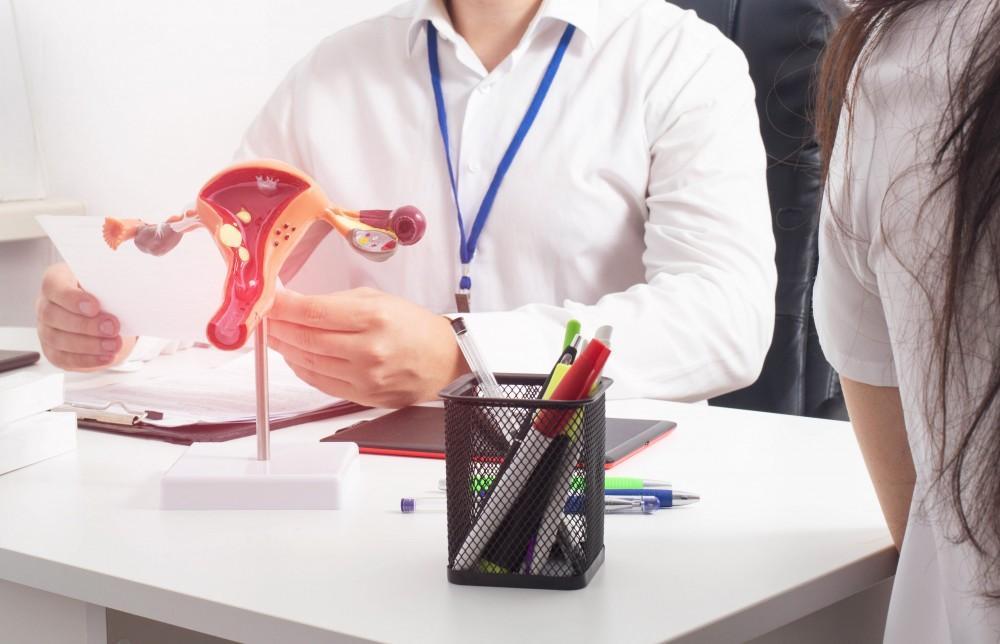
Sometimes you need extra help. A naturopathic doctor can dig deeper to find what's really going on.
Naturopathic medicine looks at the whole picture not just symptoms. A practitioner can help with advanced gut testing and custom supplement protocols. They can create dietary plans made just for you and address root causes of ongoing digestive issues.
At Cutler Integrative Medicine, we use the Integrative Health Model to support your body's natural healing. We believe in testing, not guessing finding the real reasons behind your symptoms and creating a path forward that works for you.
This is a common question. The answer? It depends.
For most healthy adults, the gut microbiome starts bouncing back within 1 to 2 months after antibiotics. But some bacterial species may take 6 months or longer to return. In some cases, certain helpful bacteria may never fully come back without help.
Several factors affect recovery time. The type of antibiotic used and how long you took it both play a role. Your diet before and after treatment matters too. Your overall health and history of previous antibiotic use can speed up or slow down the process.
The more antibiotics you've taken in your life, the longer recovery may take. But with consistent effort, most people see real improvement within 4 to 6 weeks.
Sometimes gut issues don't get better on their own. Watch for warning signs that need attention.
If you have diarrhea that lasts more than 2 weeks or severe stomach pain that won't let up, it's time to see a healthcare provider. Blood in your stool, fever that won't go away, significant weight loss, or ongoing fatigue that doesn't improve are also red flags.
If you have any of these symptoms, it's time to talk to a healthcare provider. Conditions like C. difficile infection need medical treatment right away.
An ounce of prevention is worth a pound of cure. Here's how to protect your gut going forward.
Only take antibiotics when truly needed, and ask your doctor if a narrow-spectrum antibiotic might work for your situation. Take probiotics during any future antibiotic courses and maintain a fiber-rich diet year-round. Including fermented foods regularly and managing stress before it piles up will keep your gut resilient.
Many antibiotic prescriptions aren't necessary. Studies suggest that up to 30% of outpatient antibiotic prescriptions in the US may be unnecessary. Don't be afraid to ask your doctor, "Do I really need this?"
Here's a quick reference table of foods that support gut recovery:
Resetting your body after antibiotics is totally doable. It just takes the right approach and a little patience.
Start by adding probiotics and fermented foods. Load up on prebiotic fiber. Sip bone broth. Cut the sugar. Get good sleep and manage your stress. These simple steps can make a real difference.
Your gut wants to heal. It's built for it. By giving it the right support, you're not just recovering from antibiotics you're building a foundation for better health going forward.
If you've tried these steps and still don't feel right, it may be time for a deeper look. At Cutler Integrative Medicine, we specialize in root-cause healing through holistic medicine and personalized care. Our approach "Stop guessing. Start testing." helps uncover what's really going on so we can create a plan that works for you.
Ready to take the next step? Contact us today to schedule a consultation and start your journey back to vibrant health.


.png)




.avif)
Cutler Integrative Medicine blends naturopathic and conventional care to treat the root causes of illness. Through personalized wellness plans, advanced diagnostics, and holistic therapies.
.avif)
.avif)
Copyright © 2025 Cutler Integrative Medicine. All Rights Reserved.
.avif)


.png)


.avif)
.avif)

.avif)
